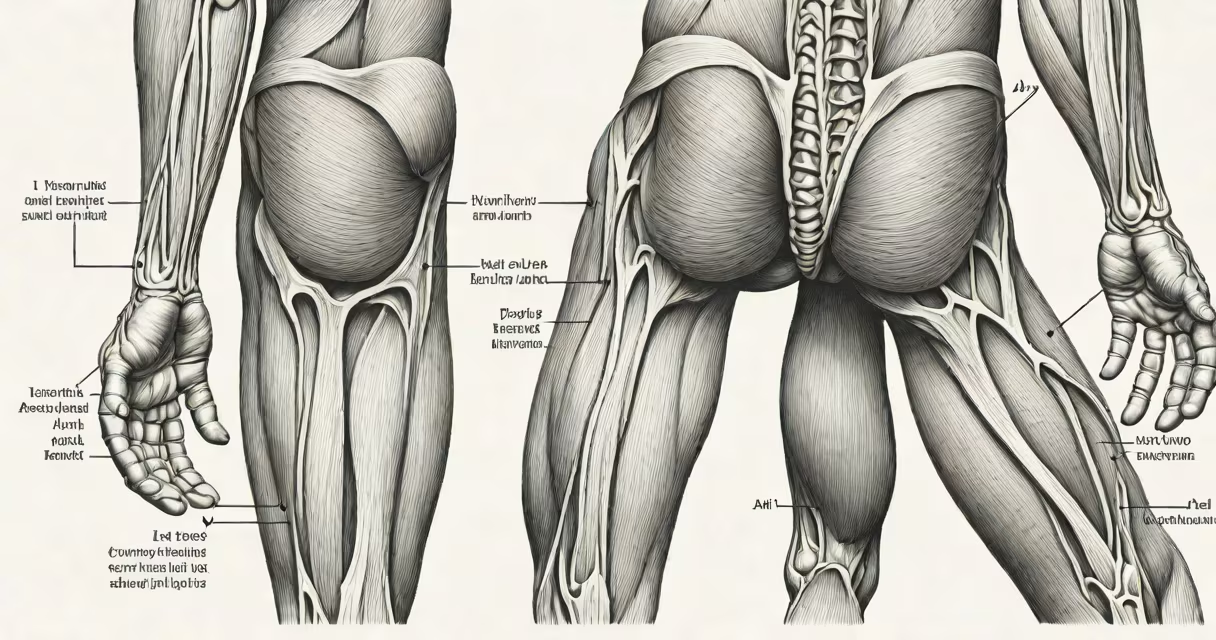
The iliacus muscle connects your spine to your femur, helping lift your leg. When inflamed, it causes sharp pain in your hip and lower back, often confused with sciatica or arthritis.
The iliacus is part of the hip flexor group, working with the psoas major to form the iliopsoas complex. This muscle stabilizes your pelvis during movement and lifts your thigh toward your torso. Overuse or strain can lead to inflammation and pain.
| Type | Cause | Common Location |
|---|---|---|
| Acute Pain | Sudden strain or injury | Front of hip, sometimes radiating to lower back |
| Chronic Pain | Repetitive stress or poor posture | Deep hip ache, often worse after sitting |
| Referred Pain | Compression or irritation of nearby nerves | Thigh, knee, or lower back |
Most cases stem from overuse, poor posture, or sudden movements. Long periods of sitting, especially with poor posture, shorten the iliacus and increase tension. Athletes often experience pain after intense workouts involving repetitive hip flexion, such as running or cycling.
Many people mistake iliacus pain for sciatica or arthritis. Unlike sciatica, which causes radiating pain down the leg, iliacus pain stays localized to the hip and lower back. Unlike arthritis, which worsens with movement, iliacus pain improves with gentle stretching and movement.
To confirm iliacus pain, try the Thomas test: lie on your back, pull one knee to your chest, and observe if the other leg lifts off the bed. If it does, tightness in the iliacus is likely present.
Rest, ice, and gentle stretching often relieve acute pain. For chronic cases, strengthening exercises targeting the core and hip flexors can help. Avoid prolonged sitting and maintain proper posture when standing or lifting objects.
I once helped a client with persistent hip pain by adjusting their workspace ergonomics and incorporating targeted stretches into their daily routine. Within weeks, their discomfort improved.