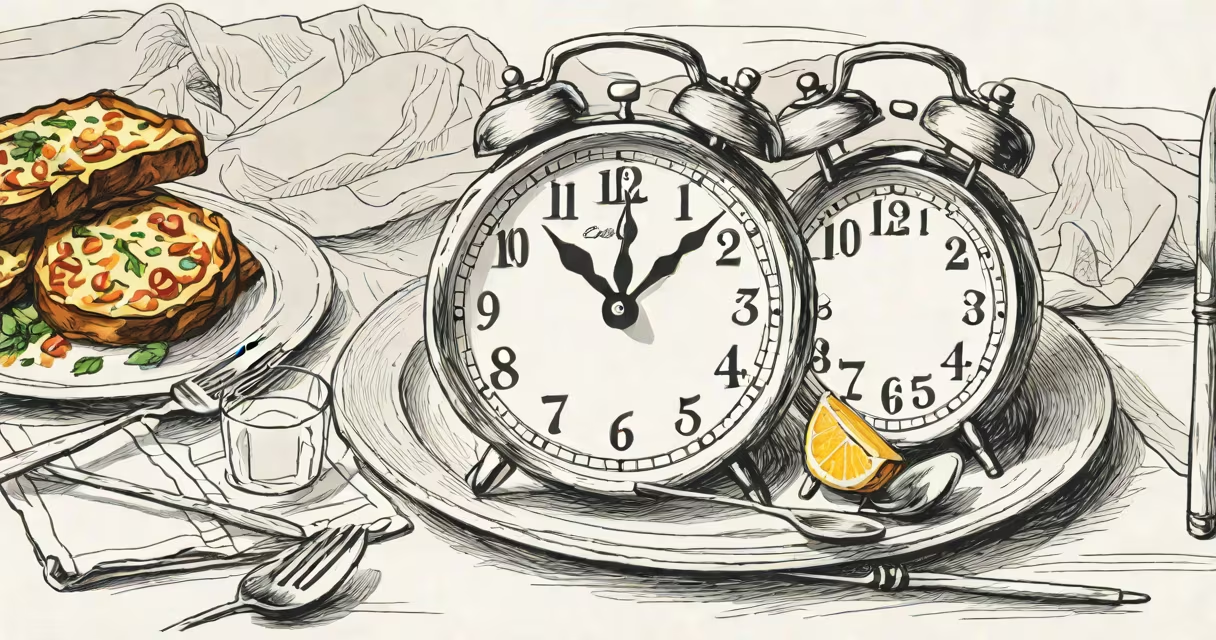
Intermittent fasting during perimenopause involves cycling between eating and fasting periods to manage symptoms like weight gain and mood swings. This approach leverages fasting's effects on insulin sensitivity and hormone regulation.
Perimenopause triggers fluctuating estrogen and progesterone levels, often causing weight gain, especially around the abdomen. Intermittent fasting may help by reducing insulin resistance, a common issue during this phase. A 2019 study in Cell Metabolism found that fasting can improve metabolic health by enhancing cellular repair processes.
| Type | Fasting Window | Eating Window |
|---|---|---|
| Time-Restricted Feeding (TRF) | 12-16 hours | 8-12 hours |
| 5:2 Method | Full-day fast (2 days/week) | Normal eating (5 days/week) |
| Alternate-Day Fasting | 24 hours (every other day) | 24 hours (alternate days) |
Time-restricted feeding (TRF) is often the most sustainable for beginners. For example, a 14-hour fast from 8 PM to 12 PM the next day aligns with natural hunger cues.
Perimenopause increases the risk of metabolic disorders due to hormonal shifts. Intermittent fasting may help by stabilizing blood sugar levels and promoting fat loss. A 2020 study in Obesity Reviews noted that fasting can reduce visceral fat, which is linked to higher estrogen levels.
Fasting may alleviate perimenopausal symptoms like fatigue and brain fog by improving mitochondrial function. However, dehydration is a common side effect, so staying hydrated with water, herbal teas, or electrolytes is important.
Some believe fasting slows metabolism, but research shows it preserves lean muscle mass when combined with protein intake. Others assume fasting is unsafe for women due to hormonal fluctuations, but moderate fasting windows (12-16 hours) are generally well-tolerated.
Start with a 12-hour fast and gradually extend to 14-16 hours. Include protein-rich foods in your eating window to support muscle retention. Monitor energy levels and adjust fasting duration as needed.
I tested a 14-hour fast during my perimenopausal phase and noticed improved energy levels after two weeks. Pairing fasting with strength training helped maintain muscle mass despite hormonal changes.