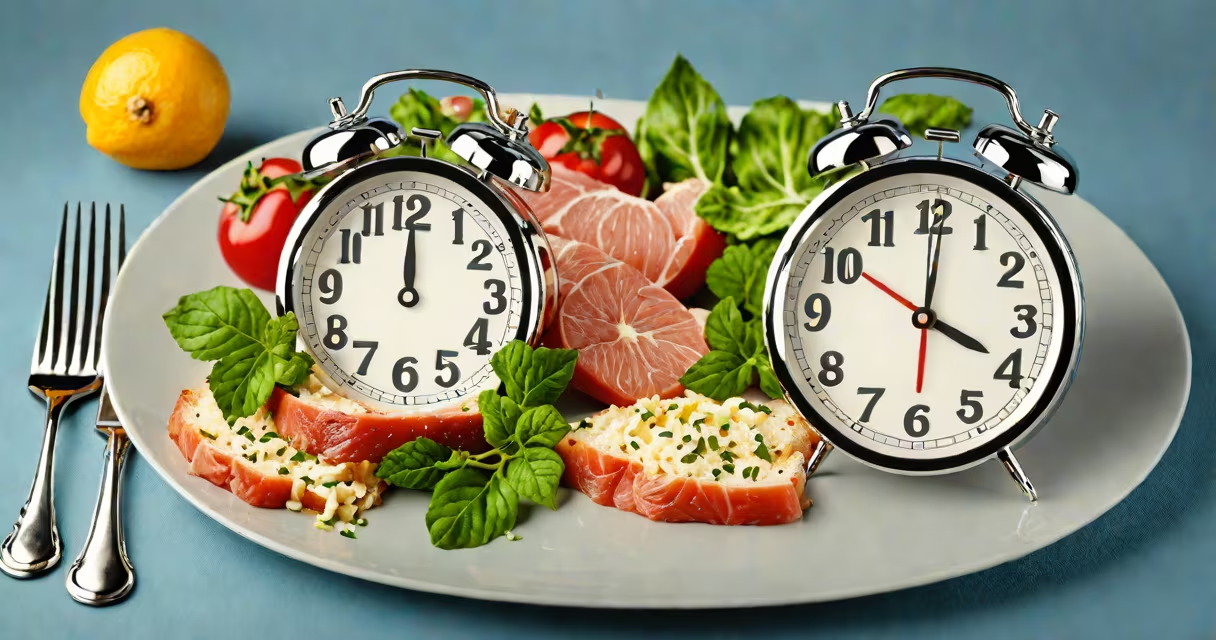
Intermittent fasting for fat loss and muscle gain is an eating pattern that cycles between periods of fasting and eating within a specific time window, combined with resistance training to preserve or build muscle while burning fat.
Intermittent fasting creates a caloric deficit by limiting the eating window, which forces the body to use stored fat for energy. When combined with resistance training, this approach can promote fat loss while maintaining or even building muscle mass. The most common protocols include the 16/8 method (16 hours fasting, 8-hour eating window) and the 5:2 method (five days of normal eating, two days of reduced calories).
| Protocol | Fasting Window | Eating Window |
|---|---|---|
| 16/8 | 16 hours | 8 hours |
| 5:2 | Full days (two per week) | Five days |
| Eat Stop Eat | 24 hours (once or twice per week) | Normal eating other days |
Intermittent fasting promotes fat loss by increasing insulin sensitivity and encouraging the body to use fat stores for energy. Resistance training during the eating window stimulates muscle protein synthesis, helping to maintain or build muscle mass. A study published in the journal Nutrition Reviews found that time-restricted eating can lead to significant reductions in body fat while preserving lean mass.
Many people believe that fasting leads to muscle loss, but research shows that resistance training during the eating window can counteract this effect. A common mistake is not consuming enough protein during the eating window, which is important for muscle repair and growth. According to a study in the Journal of the International Society of Sports Nutrition, consuming 1.6 to 2.2 grams of protein per kilogram of body weight daily can help maintain muscle mass during intermittent fasting.
For someone following the 16/8 protocol, their fasting window might start after dinner at 8 PM and end at 12 PM the next day. They would have their first meal at 12 PM and finish eating by 8 PM. During the eating window, they would consume a balanced diet with adequate protein, such as grilled chicken, quinoa, and vegetables for lunch, followed by a protein shake and a small snack later in the day. Resistance training would be scheduled in the late afternoon or early evening to align with the eating window and maximize muscle protein synthesis.
I've personally tested this protocol and found that scheduling workouts right before the last meal of the day helped me maintain strength and muscle mass while losing fat. However, individual results may vary based on factors like genetics, diet quality, and exercise consistency.