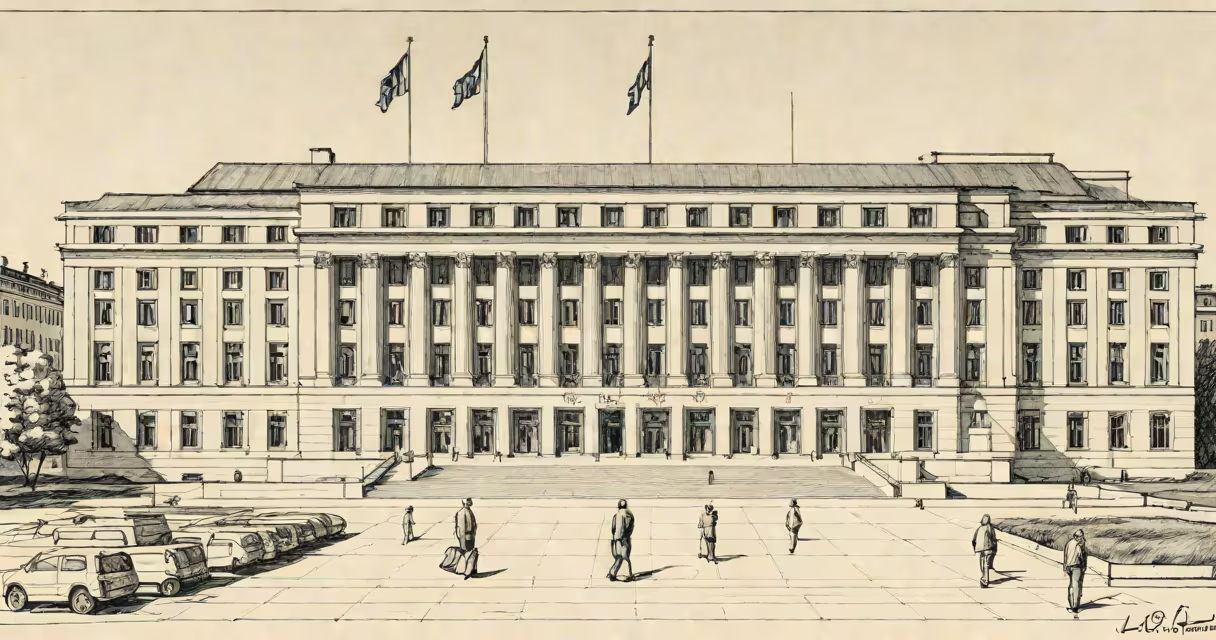
The International Labour Organization (ILO) is a United Nations agency dedicated to improving labor conditions, setting international labor standards, and promoting social protection and decent work worldwide.
The ILO operates through a unique tripartite structure involving governments, employers, and workers' representatives. This inclusive approach helps policies and programs address the needs of all stakeholders. The organization develops international labor standards, provides technical assistance, and conducts research to inform policy decisions.
The ILO's work is organized around four strategic objectives: promoting and realizing standards, fundamental principles and rights at work, employment, social protection, and social dialogue. These objectives guide the organization's efforts to create a fair and equitable global workforce.
The ILO also monitors compliance with its conventions through regular reporting and supervision mechanisms. For example, the organization's Maritime Labour Convention ensures decent working and living conditions for seafarers worldwide.
The ILO has adopted numerous conventions covering various aspects of labor, including:
To these conventions, the ILO runs programs focused on youth employment, green jobs, and crisis response, such as supporting workers affected by the COVID-19 pandemic.
One common misconception is that the ILO is solely focused on developed countries. In reality, the organization places a significant emphasis on supporting developing nations, providing technical assistance and resources to help them improve labor conditions and achieve sustainable development goals.
Another misunderstanding is that the ILO's standards are legally binding for all member states. While the organization's conventions are binding for ratifying members, participation is voluntary, and not all countries have ratified every convention.
During a visit to the ILO headquarters in Geneva, I observed a workshop on amending articles of organization. The collaborative process involved representatives from various countries and industries, highlighting the ILO's commitment to inclusive decision-making. This experience underscored the organization's role in fostering global dialogue and cooperation on labor issues.
The International Labour Organization is important for promoting fair labor practices and protecting workers' rights worldwide. Through its conventions, programs, and tripartite structure, the ILO continues to address the evolving challenges of the global workforce.