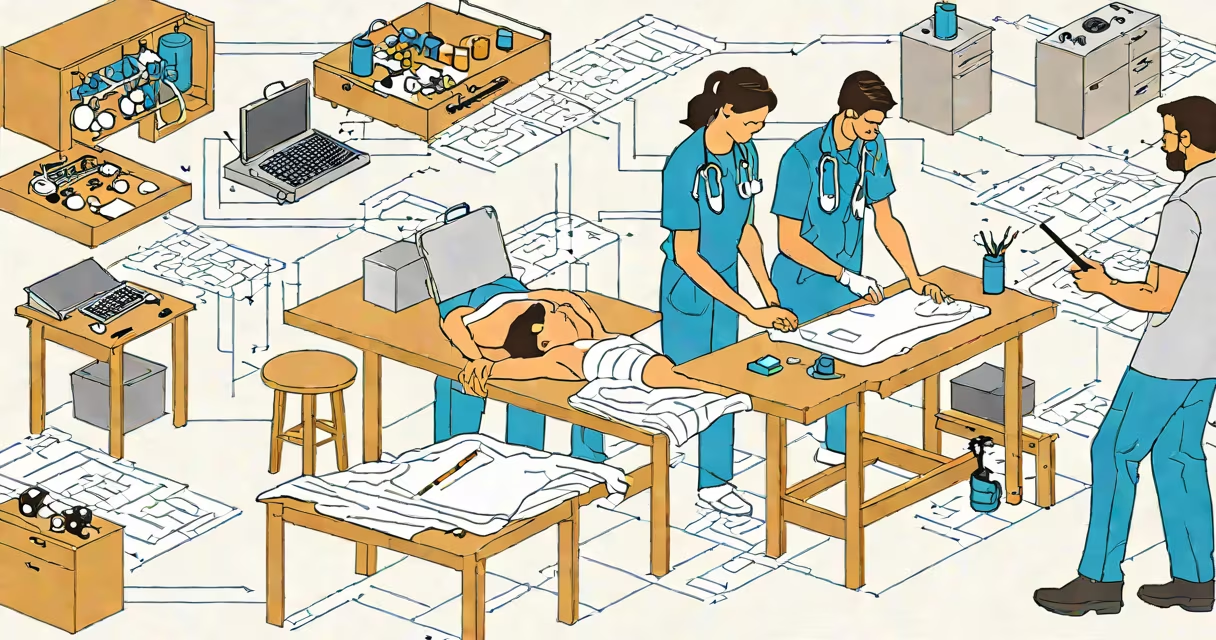
Becoming an occupational therapist requires completing a master's degree, passing a national exam, and gaining clinical experience-a process that takes 6-7 years and demands strong science skills, patience, and problem-solving abilities.
Most occupational therapists earn a master's degree in occupational therapy (MOT), which typically takes 2-3 years after a bachelor's degree. Programs include coursework in anatomy, physiology, psychology, and therapeutic techniques, plus fieldwork under licensed therapists. Some schools offer combined bachelor's-to-master's programs.
After graduating, therapists must pass the National Board for Certification in Occupational Therapy (NBCOT) exam to practice. The exam covers assessment, intervention, and service management. Some states require additional licensing exams or background checks.
Specialization is optional but common. Therapists can earn board certification in areas like pediatrics, gerontology, or physical rehabilitation through NBCOT. This requires extra coursework, experience, and exams.
Successful occupational therapists combine technical knowledge with soft skills. They need:
I observed this firsthand during my fieldwork at a pediatric clinic. One therapist spent hours adjusting a sensory integration plan for a child with autism, testing different tools until finding what engaged the child. That patience and creativity are typical in the field.
The Bureau of Labor Statistics projects 14% growth for occupational therapists from 2022-2032, faster than average. Demand rises as aging populations and increased awareness of disabilities drive need for therapy services.
Median annual pay was $92,800 in 2022, with top earners making over $122,000. Salaries vary by setting: hospitals pay more than nursing homes, but schools offer better hours. Therapists in metropolitan areas earn 10-15% more than rural colleagues.
Another myth is that the job is easy. Therapists often lift patients, stand for hours, and manage emotional cases. Burnout rates are high without strong support systems.
Therapists work in hospitals (25%), nursing homes (20%), or home health (15%). Others work in schools, private clinics, or government agencies. Settings affect caseloads: hospital therapists see 10-12 patients daily, while school therapists focus on 1-2 children intensely.
Some therapists travel for assignments, especially in rural areas. Companies like Travel OT Jobs place therapists temporarily, offering higher pay but less stability.
| Career | Education | Exam | Growth Rate |
|---|---|---|---|
| Occupational Therapist | Master's degree | NBCOT | 14% |
| Physical Therapist | Doctorate | NPTE | 17% |
| Speech-Language Pathologist | Master's degree | Praxis | 18% |
Occupational therapy requires less education than physical therapy but more than speech-language pathology. Growth rates are similar across healthcare fields.
The path is challenging but rewarding. Therapists report high job satisfaction from helping patients regain independence. Those who thrive combine scientific knowledge with emotional resilience and creativity.
For more details, explore what occupational therapists do daily and how their work impacts lives.