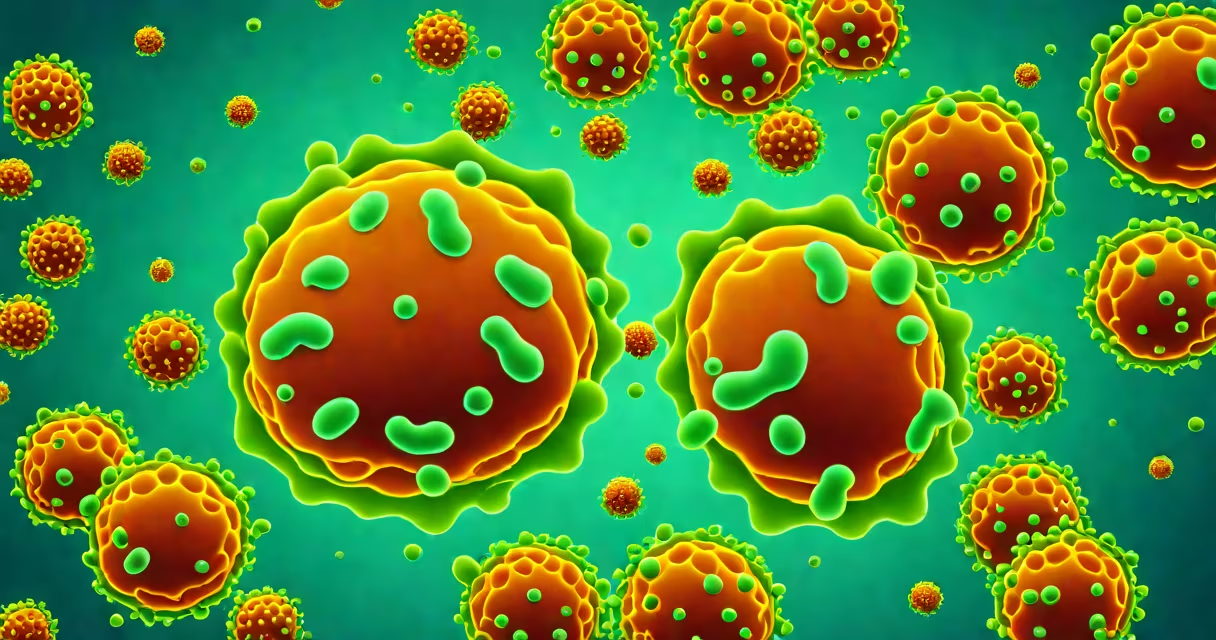
Chlamydia is caused by a specific type of bacteria called Chlamydia trachomatis, which spreads through sexual contact. This bacterium is one of the most common causes of sexually transmitted infections (STIs) worldwide.
The Chlamydia trachomatis bacterium invades human cells, particularly those lining the urinary, genital, and rectal tracts. Once inside, it disrupts normal cell function and triggers inflammation. The body's immune response to this invasion leads to symptoms like discharge, pain, and swelling.
Unlike many other bacteria, Chlamydia trachomatis lacks some of the enzymes needed for energy production. Instead, it relies on the host cell for nutrients, making it an obligate intracellular pathogen. This dependency makes it particularly challenging to treat with standard antibiotics.
While Chlamydia trachomatis is the primary cause of genital chlamydia infections, there are other strains of chlamydia bacteria:
| Type | Common Infection | Transmission Route |
|---|---|---|
| Chlamydia trachomatis | Genital chlamydia | Sexual contact |
| Chlamydia pneumoniae | Respiratory infections | Airborne droplets |
| Chlamydia psittaci | Psittacosis (parrot fever) | Bird droppings |
Chlamydia spreads primarily through unprotected vaginal, anal, or oral sex. It can also pass from an infected mother to her baby during childbirth, potentially causing eye infections or pneumonia in newborns.
The bacterium thrives in moist environments, such as the urethra, cervix, rectum, and throat. Its ability to infect multiple sites in the body contributes to its high transmission rates. According to the Centers for Disease Control and Prevention (CDC), chlamydia is particularly prevalent among sexually active individuals aged 15-24.
Many people confuse chlamydia with other STIs like gonorrhea or assume it only affects certain groups. However, chlamydia can infect anyone who is sexually active, regardless of gender or sexual orientation. Another misconception is that chlamydia always causes noticeable symptoms. In reality, about 75% of infected women and 50% of infected men experience no symptoms, allowing the infection to go untreated and spread unknowingly.
Chlamydia is often mistaken for a viral infection due to its ability to cause long-term complications if left untreated. Unlike viral infections, however, chlamydia can be effectively treated with antibiotics. Early diagnosis and treatment are important to prevent serious health issues, including pelvic inflammatory disease, infertility, and chronic pain.