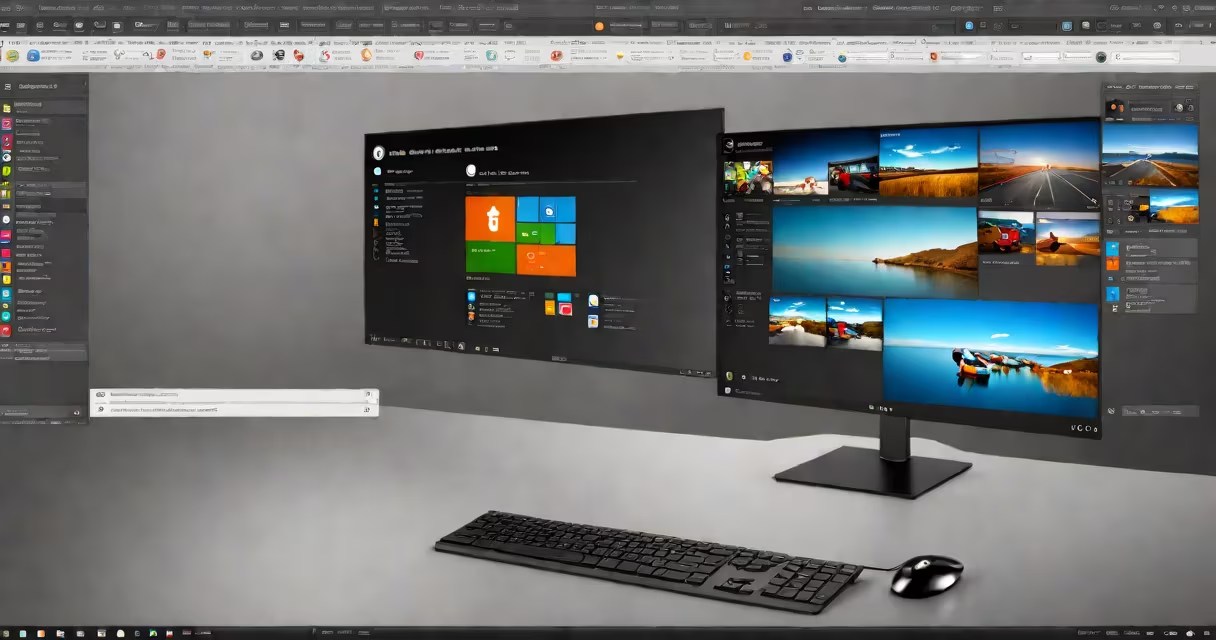
Citrix is not a traditional virtual desktop infrastructure (VDI) solution but provides similar functionality through its Citrix Virtual Apps platform. This software allows businesses to deliver Windows, web, SaaS, and Linux applications to users on any device, anywhere.
Instead of creating full virtual desktops, Citrix Virtual Apps streams individual applications to users. When a user launches an app, Citrix Virtual Apps runs it on a centralized server and sends only the screen updates to the user's device. This reduces bandwidth usage and improves performance.
For example, a financial analyst working remotely could access specialized trading software through Citrix Virtual Apps without installing it locally. The software runs on the company's servers, and the analyst interacts with it through a secure connection.
| Solution | Primary Use Case |
|---|---|
| Citrix Virtual Apps | Delivering Windows, web, SaaS, and Linux applications to remote users |
| Citrix Virtual Desktops | Providing full virtual desktops for users who need a complete workspace |
| Citrix Workspace | Combining apps, desktops, and security into a unified digital workspace |
Businesses use Citrix Virtual Apps to enable remote work, improve security, and simplify IT management. For instance, healthcare organizations use it to provide clinicians with access to electronic health records from any location while maintaining compliance with regulations like HIPAA.
According to Gartner, virtual desktop infrastructure solutions like Citrix help companies reduce hardware costs and improve data security by centralizing application delivery.
Some people confuse Citrix Virtual Apps with full VDI solutions like VMware Horizon. While both enable remote access, Citrix Virtual Apps focuses on delivering individual applications rather than entire desktops. This makes it more efficient for businesses that only need to provide specific software to their employees.
For example, a marketing agency might use Citrix Virtual Apps to give designers access to Adobe Creative Set without deploying full virtual desktops. This approach saves resources and simplifies management.
I worked with a law firm that used Citrix Virtual Apps to allow attorneys to access case management software from courtrooms, client meetings, and home offices. The firm chose Citrix because it didn't require attorneys to carry laptops everywhere. Instead, they could use any device to securely access the necessary applications.
The firm reported a 30% reduction in IT support tickets related to software issues after implementing Citrix Virtual Apps. This is because the applications ran on centralized servers, reducing compatibility problems and improving performance.
While Citrix is not a traditional VDI solution, its Virtual Apps platform delivers similar benefits by providing secure, remote access to applications. Businesses across industries use it to enable flexible work environments, improve security, and reduce IT costs.