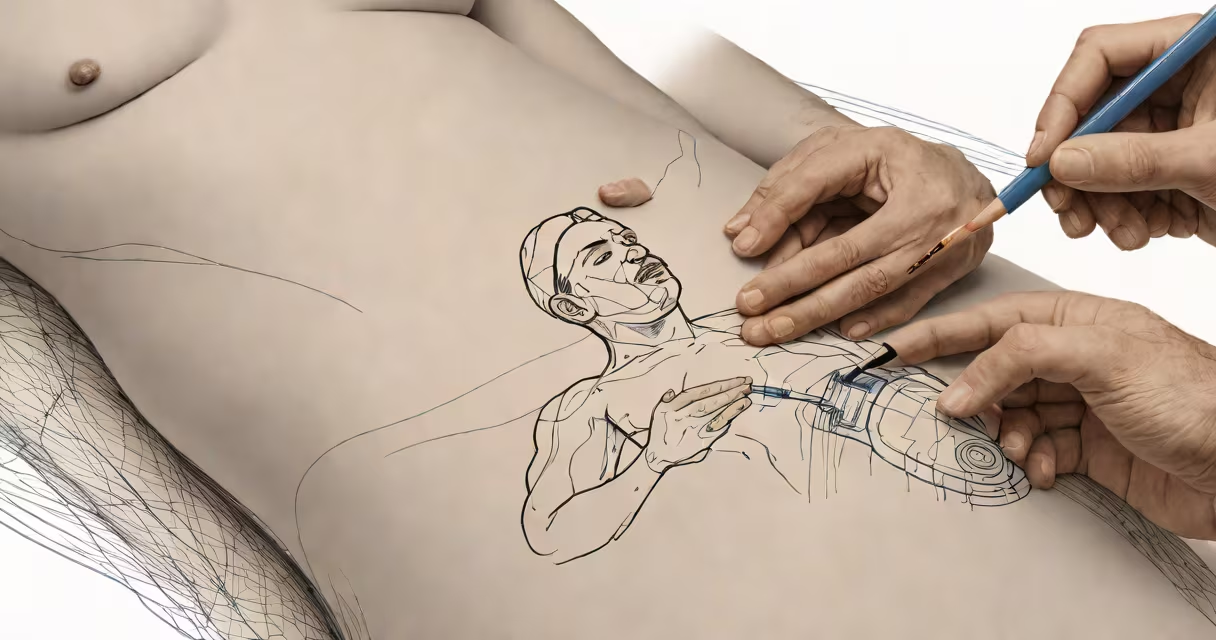
Fat freezing, or cryolipolysis, is a non-invasive cosmetic procedure that uses controlled cooling to reduce fat in targeted areas. It's generally safe when performed by trained professionals, but like any medical treatment, it carries potential risks and side effects.
During the procedure, a device applies cold temperatures to the treatment area. The fat cells freeze and die off, then get processed and eliminated by the body's lymphatic system over time. This process is called apoptosis.
Most patients experience mild, temporary side effects. These include:
These typically resolve within a few days or weeks. Serious complications are rare but can include:
Certain people should avoid fat freezing, including those with:
Each session lasts about 35 to 60 minutes. Patients may feel pressure and intense cold initially, but this subsides as the area becomes numb. Multiple sessions, usually spaced a few weeks apart, are often needed for optimal results.
Visible results typically appear after 1 to 3 months as the body gradually eliminates the frozen fat cells. On average, patients lose about 20% of fat in the treated area after two sessions.
To ensure safety, choose a board-certified dermatologist or plastic surgeon with experience in cryolipolysis. Verify their credentials and ask about their experience with the specific device they use. Follow all pre- and post-treatment instructions carefully.
I once observed a fat freezing procedure at a reputable clinic. The technician applied a gel pad to the patient's flank, then positioned the cooling device. The patient reported feeling cold at first, but the sensation faded quickly. The entire process was straightforward and well-tolerated.
Other non-invasive fat reduction methods include laser lipolysis, radiofrequency devices, and ultrasound technology. Invasive options like liposuction may offer more dramatic results but come with higher risks.
According to the American Society for Dermatologic Surgery, non-invasive procedures like fat freezing are growing in popularity due to their safety profile and minimal downtime.