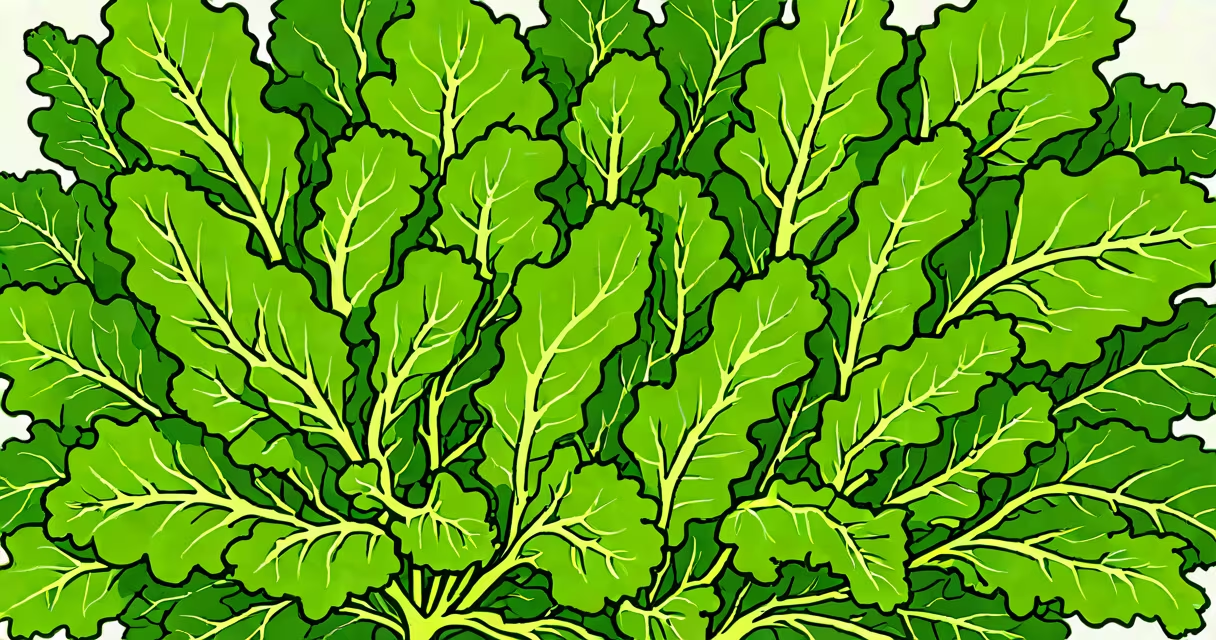
Kale is an alkaline food because it has mineral content that promotes an alkaline environment in the body when metabolized. This leafy green contains high levels of potassium, calcium, and magnesium, which help neutralize acids.
Alkaline foods don't literally make your body more alkaline. Instead, they leave an alkaline residue after digestion. This residue can help balance your body's pH level, which tends toward acidity due to processed foods, stress, and environmental factors. Foods like kale contribute to this balance by providing essential minerals.
According to a study published in the Journal of Environmental and Public Health, diets rich in alkaline foods can help reduce chronic inflammation and improve bone health. The study highlights that while the body tightly regulates blood pH, dietary choices can influence urine pH, reflecting metabolic balance.
Alkaline foods generally fall into several categories:
Kale's high mineral content makes it particularly effective at promoting alkalinity. A single cup of raw kale contains about 290 mg of potassium, 94 mg of calcium, and 26 mg of magnesium. These minerals help counteract acidic residues from other foods and support pH balance.
Research from the European Journal of Nutrition suggests that diets high in potassium-rich foods like kale are associated with lower risks of hypertension and stroke. The study emphasizes the importance of including such foods in a balanced diet to maintain optimal health.
Many people assume that all fruits are acidic, but this isn't always true. Citrus fruits, for example, are acidic before digestion but leave an alkaline residue afterward. Similarly, while kale is alkaline, other leafy greens like spinach also contribute to pH balance.
Kale can be enjoyed in various ways,. Here's a simple recipe for a kale smoothie:
The following table compares the alkaline properties of kale to other common foods:
| Food | Potassium (mg per cup) | Calcium (mg per cup) | Magnesium (mg per cup) |
|---|---|---|---|
| Kale | 290 | 94 | 26 |
| Spinach | 167 | 30 | 24 |
| Banana | 422 | 6 | 32 |
| Avocado | 705 | 12 | 39 |
Kale is an alkaline food, contributing to a balanced pH level through its rich mineral content. Incorporating kale and other alkaline foods into your diet can support health and well-being.