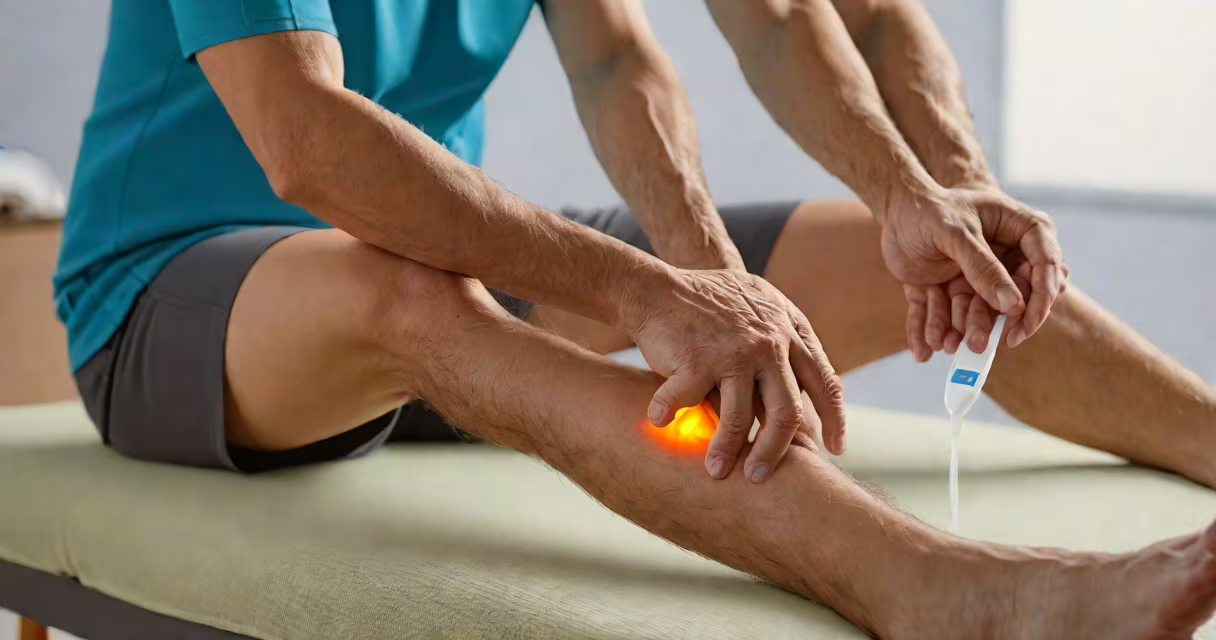
Heat therapy can help relax muscles and improve blood flow during the recovery phase of a hamstring strain, but it should not be used immediately after injury.
Applying heat increases local blood circulation, which delivers oxygen and nutrients to the affected area. This promotes healing and reduces stiffness. Heat also helps relax tight muscles, alleviating pain and improving flexibility.
Common methods include:
Heat therapy is most effective during the subacute and chronic phases of recovery, typically 48 hours after the initial injury. It helps reduce muscle spasms and stiffness. For example, if you strained your hamstring three days ago and are experiencing tightness, applying heat for 15-20 minutes can be beneficial.
To use heat therapy effectively, follow these steps:
I once used a heating pad on a hamstring strain after the initial swelling subsided. The warmth helped loosen the tightness, making stretching exercises more effective. However, I made sure to avoid heat during the first two days to prevent further inflammation.
Many people believe heat should be applied immediately after a muscle strain, but this can worsen swelling. Another mistake is using heat for too long, which may cause burns or skin irritation. Always monitor the skin for redness or discomfort.
Heat therapy is beneficial for hamstring strains during the later stages of recovery, but it should be avoided immediately after injury. By understanding when to use heat and when to opt for cold therapy, you can promote faster healing and reduce discomfort.