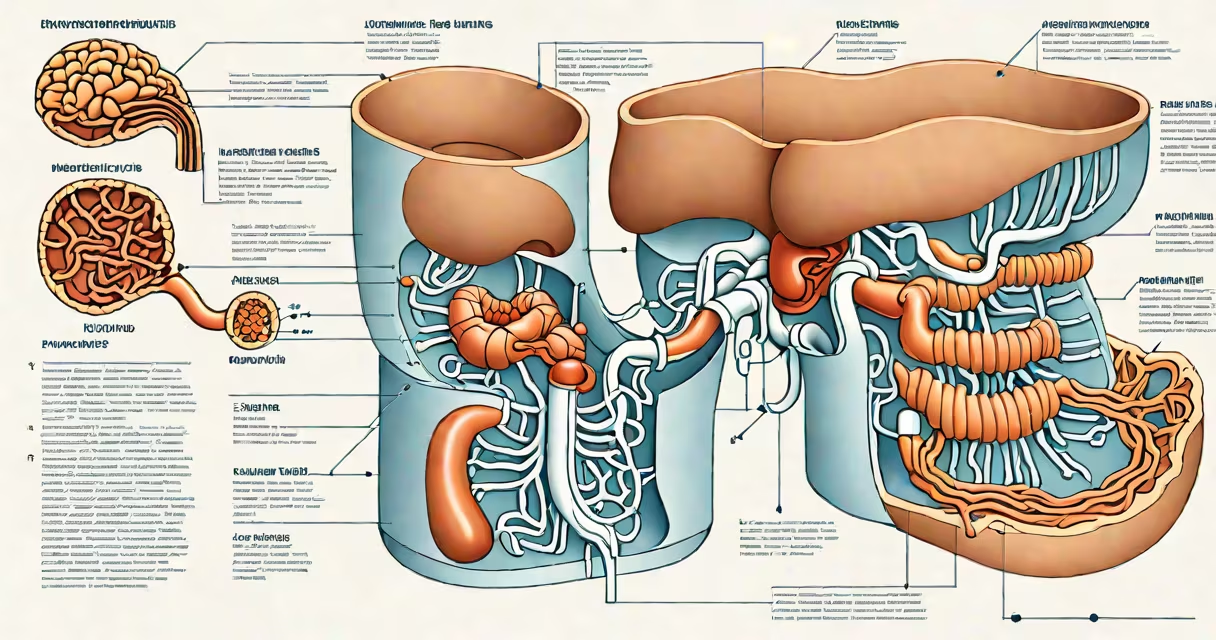
Feeling bloated after eating occurs when your digestive system retains air or gas, causing your abdomen to swell. Most people experience mild bloating occasionally, but frequent or severe bloating may indicate an underlying issue.
When you eat, food travels through your digestive tract where enzymes and bacteria break it down. Air swallowed during eating or drinking mixes with digestive gases. Your small intestine absorbs most gas, but some remains in the large intestine before being expelled.
The entire process typically takes 24-72 hours. Bloating occurs when this system gets disrupted, often due to:
| Type | Duration | Common Triggers |
|---|---|---|
| Transient | Hours to days | Overeating, high-fiber meals, carbonation |
| Chronic | Weeks or longer | Food intolerances, IBS, constipation |
Mild bloating after large meals or gas-producing foods usually resolves within 24 hours. However, see a doctor if bloating:
These symptoms may indicate conditions like irritable bowel syndrome, small intestinal bacterial overgrowth, or ovarian cysts.
Many people assume bloating always results from overeating or poor diet. While these contribute, other factors include:
I once experienced persistent bloating that didn't improve with dietary changes. A doctor diagnosed me with a mild lactose intolerance I hadn't considered.
For occasional bloating, try:
Most people experience bloating occasionally, but frequent or severe bloating warrants medical attention. Pay attention to patterns and severity to determine whether your bloating falls within normal limits or requires professional evaluation.