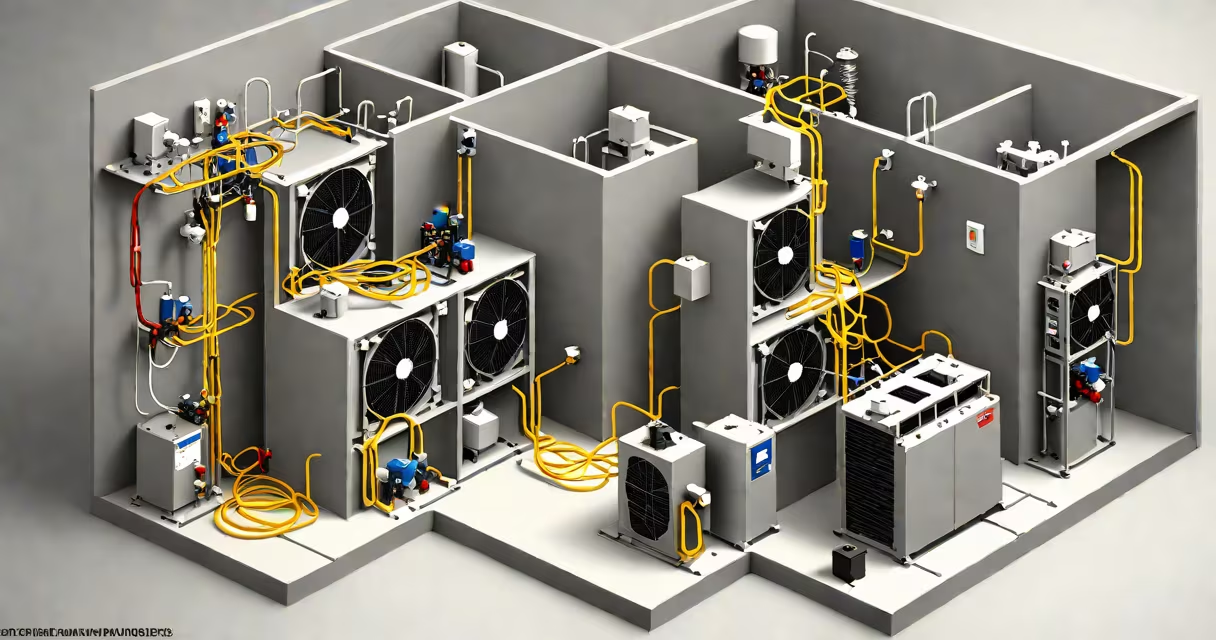
An HVAC system is a worthwhile investment for most homeowners due to its ability to provide consistent temperature control, improve indoor air quality, and reduce long-term energy costs. The decision depends on factors like climate, home size, and usage patterns.
HVAC stands for Heating, Ventilation, and Air Conditioning. These systems regulate indoor temperature and air quality through a combination of components:
Most modern systems use a thermostat to maintain set temperatures automatically. The U.S. Department of Energy notes that proper installation and maintenance can impact efficiency.
| Type | Key Features | Best For |
|---|---|---|
| Split System | Outdoor condenser and indoor handler | Most homes |
| Ductless Mini-Split | No ductwork required | Add-ons or small spaces |
| Packaged System | All components in one unit | Limited installation space |
| Hybrid System | Dual fuel capability | Extreme climates |
Many people believe HVAC systems are only beneficial in extreme climates. However, even in moderate climates, they provide significant advantages:
According to the Environmental Protection Agency, proper HVAC maintenance can also reduce energy usage by up to 15%.
Consider a 2,000 square foot home in a temperate climate. Initial installation costs for a basic HVAC system average $5,000-$7,500. Annual operating costs typically range from $600-$1,200, depending on local energy prices and usage patterns.
Over a 15-year lifespan, this represents a total investment of approximately $14,000-$22,500. However, the system provides consistent comfort, improves indoor air quality, and may increase home resale value by 5-10%, according to real estate professionals.
When considering whether an HVAC system is worth it for your situation, evaluate these factors:
For those in regions with significant temperature variations, the benefits often outweigh the costs. In milder climates, smaller systems or targeted solutions might be more appropriate.