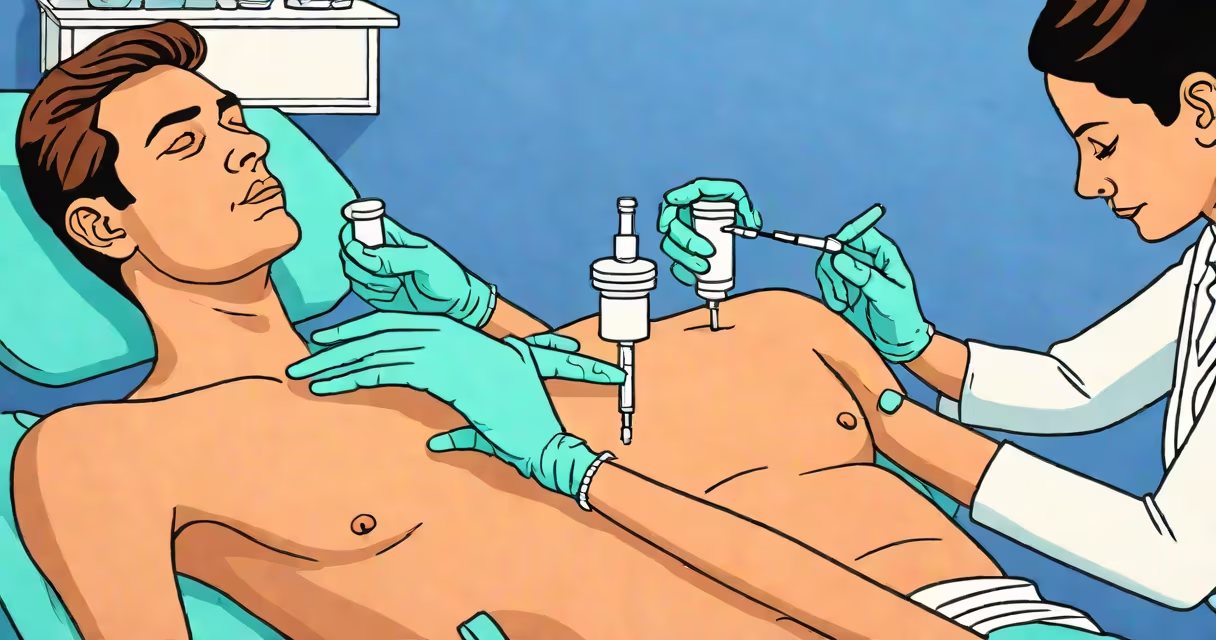
Flu shot season typically runs from early fall through winter, with the Centers for Disease Control and Prevention (CDC) recommending vaccination by the end of October. The exact timing varies yearly based on virus activity.
The flu shot season aligns with the annual flu season, which peaks between December and February in the U.S. The vaccine takes about two weeks to provide protection, so getting it too early may reduce effectiveness by the time flu viruses become widespread.
Vaccines come in several forms:
| Type | Examples | Notes |
|---|---|---|
| Standard dose | Fluzone, FluLaval | Injected into muscle |
| High-dose | Fluzone High-Dose | For people 65+ |
| Nasal spray | FluMist | Live attenuated virus |
| Recombinant | Flublok | Egg-free production |
Vaccine effectiveness wanes over time, so getting it too early (like in July or August) might leave you unprotected during peak flu season.
Many people think you can get the flu from the shot. This is impossible because flu vaccines contain either inactivated virus or no virus at all. Some people experience mild side effects like soreness or low-grade fever, but these aren't the flu.
I always get my flu shot in early October, right before my kids return to school. This timing helps protect my family during peak transmission periods.
The CDC adjusts recommendations yearly based on global virus patterns and vaccine effectiveness data.
Centers for Disease Control and Prevention. Seasonal Flu Shot. Updated September 2023.
World Health Organization. Influenza. Accessed October 2023.