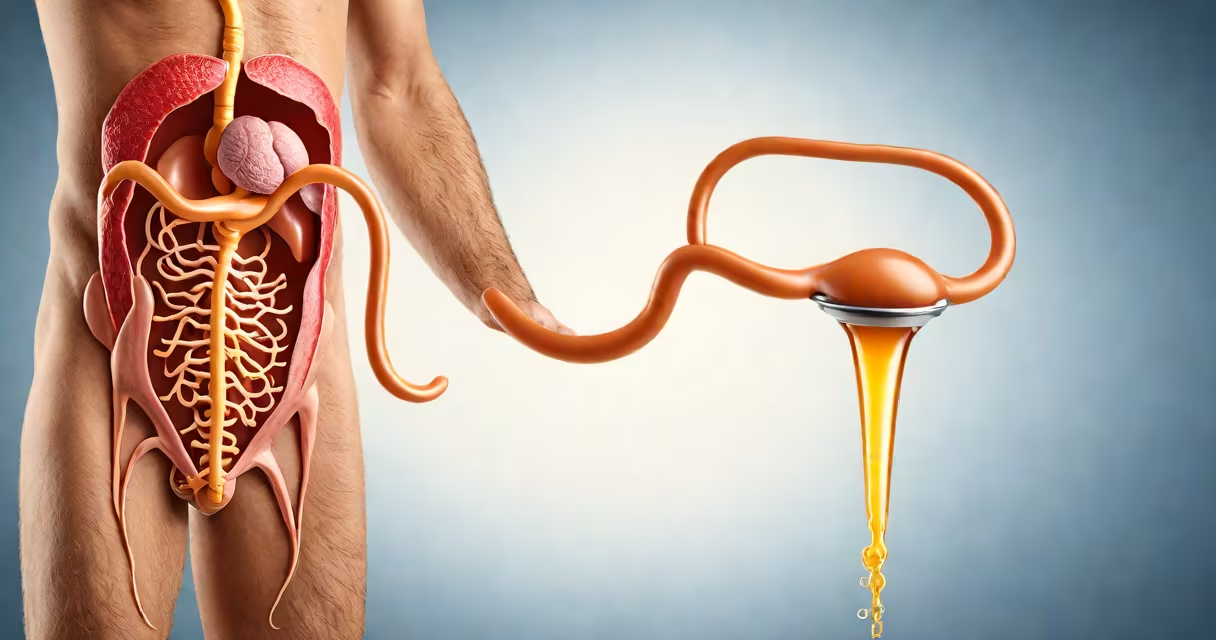
Urinary tract infections (UTIs) are far less common in men than women, accounting for only about 1 in 10 cases. The male anatomy provides natural defenses against UTIs, but certain conditions increase risk.
The male urethra is longer than the female urethra, creating a physical barrier that makes it harder for bacteria to reach the bladder., prostate secretions have antibacterial properties that further reduce risk.
According to the National Institute of Diabetes and Digestive and Kidney Diseases, UTIs in men under 50 are uncommon, with incidence rising after age 50 due to changes in the urinary tract.
UTIs in men typically fall into these categories:
| Type | Location | Common Causes |
|---|---|---|
| Urethritis | Urethra | Sexually transmitted infections (STIs) like chlamydia or gonorrhea |
| Cystitis | Bladder | Bacterial infection, often from E. coli |
| Prostatitis | Prostate gland | Bacterial infection, often from E. coli |
| Pyelonephritis | Kidneys | Bacteria spreading from lower urinary tract |
Certain conditions increase UTI risk in men:
While symptoms overlap with other conditions, classic UTI signs include:
Note that prostatitis symptoms often include rectal pain and flu-like symptoms, which are uncommon in other UTI types.
Left untreated, UTIs can lead to serious complications like kidney damage or sepsis. While rare, men experiencing frequent UTIs should seek medical evaluation to identify potential underlying conditions.
Men should consult a doctor if they experience:
Prompt treatment prevents complications and reduces discomfort. While UTIs aren't common in men, recognizing symptoms and seeking timely care is important for effective management.