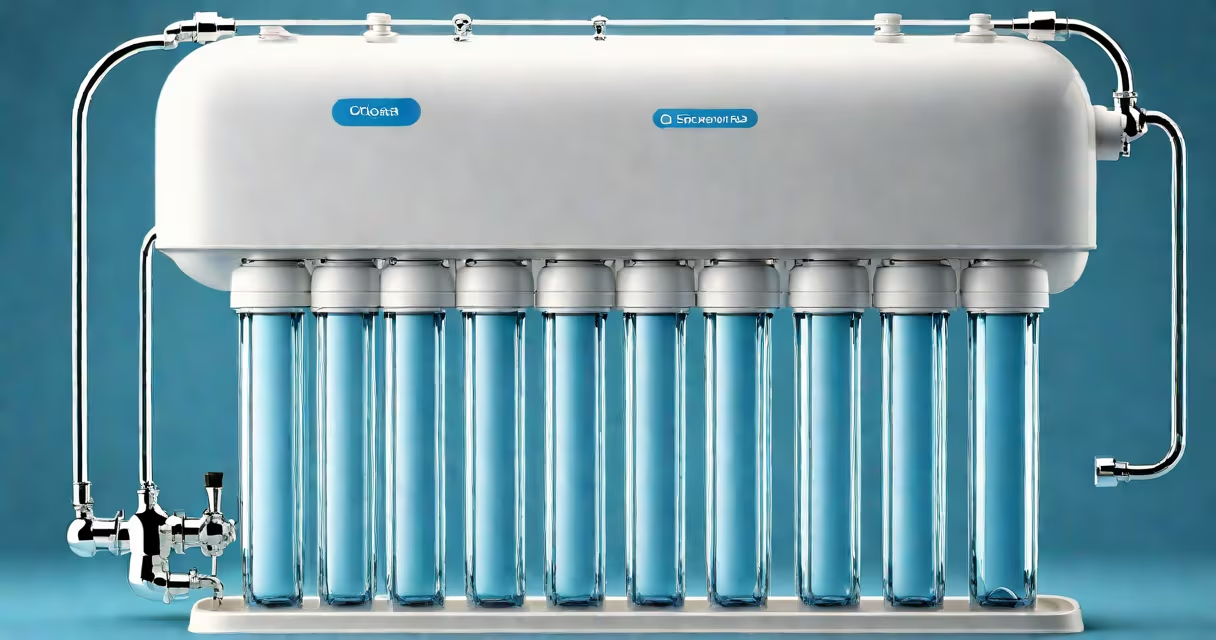
Reverse osmosis (RO) water is highly purified drinking water produced by forcing water through a semipermeable membrane to remove contaminants. It's safe to drink and often preferred for its thorough filtration process.
An RO system uses pressure to push water through a membrane that blocks particles larger than water molecules. This removes up to 99% of dissolved solids, including heavy metals, bacteria, and chemicals. The process also includes additional filters to catch remaining impurities.
| Contaminant Type | Removal Rate |
|---|---|
| Lead | 98% |
| Chlorine | 99% |
| Arsenic | 95% |
| Nitrates | 90% |
| Bacteria | 99% |
RO water is free of harmful substances, making it a safer choice than tap water in areas with poor water quality. It reduces exposure to contaminants linked to health issues like kidney damage and developmental problems in children. However, it lacks beneficial minerals like calcium and magnesium, which are naturally present in tap water.
Some believe RO water is "dead" because it lacks minerals. While it's true that RO water doesn't contain calcium or magnesium, these minerals are easily replenished through diet. Others think RO water tastes flat, but many users report no noticeable difference compared to filtered tap water.
One non-obvious fact: RO systems waste water during the filtration process. For every gallon of purified water produced, 2-3 gallons of wastewater are discarded. This is an environmental consideration for households using RO systems.
Reverse osmosis water is good for you if you prioritize purity and safety. It effectively removes harmful contaminants but lacks natural minerals. For those concerned about mineral intake, dietary sources or mineral-enhanced RO water can compensate., RO water is a reliable choice for clean drinking water.