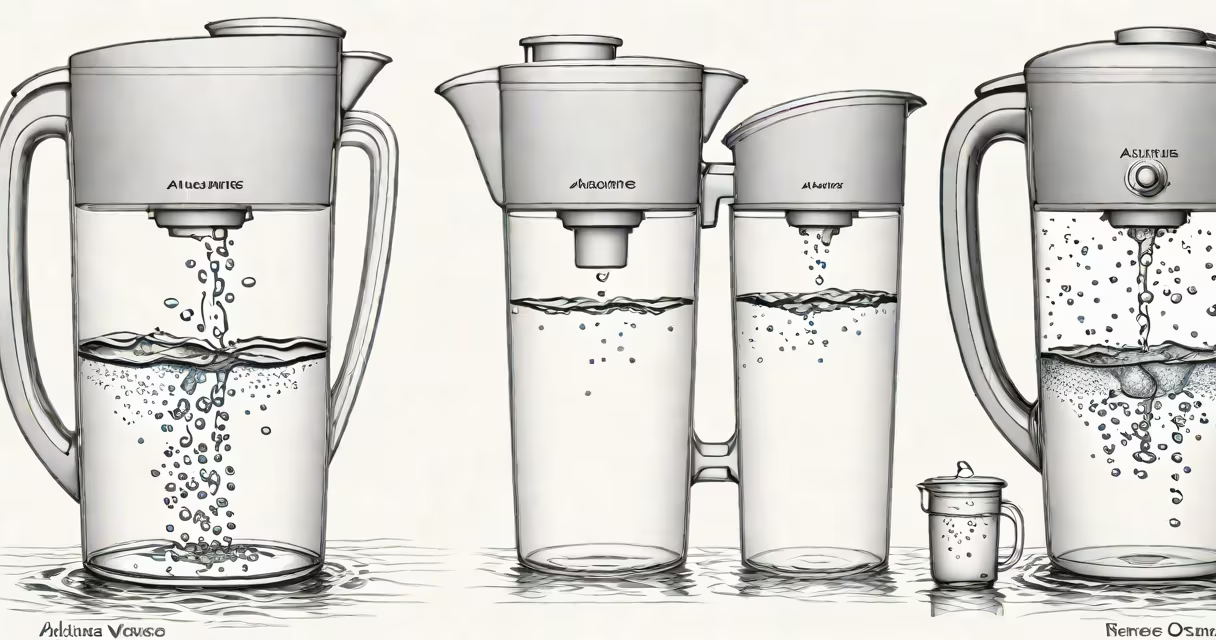
Alkaline water treatment increases pH through ionization, while reverse osmosis removes contaminants using membrane filtration. Both improve water quality but serve different purposes.
Alkaline water systems pass water through an electrolytic process that separates it into acidic and alkaline streams. The alkaline stream typically has a pH between 8 and 9. Reverse osmosis forces water through a semipermeable membrane under pressure, blocking particles larger than water molecules.
Alkaline systems are popular among health-conscious consumers who believe higher pH water provides antioxidant benefits. Reverse osmosis is used where water contains high levels of dissolved solids, heavy metals, or microorganisms. Many households combine both methods.
Contrary to popular belief, alkaline water doesn't necessarily hydrate better than regular water. A study published in the Annals of Clinical Biochemistry found no significant difference in hydration effects between alkaline and regular water. However, reverse osmosis effectively removes harmful contaminants like lead and arsenic, which is why many prefer it for safety reasons.
Consider a household in an area with hard water (high mineral content). An alkaline system would increase the pH but leave minerals intact. A reverse osmosis system would remove most minerals, including calcium and magnesium. For better taste and safety, they might choose a reverse osmosis system with a remineralization filter added afterward. This combination provides clean, safe water with some beneficial minerals restored.
I tested both systems in my home. The alkaline pitcher made water taste slightly sweeter, while the reverse osmosis system produced crisper-tasting water. Neither changed after a week of use.
For health concerns, consult a healthcare provider before making significant changes to your water consumption. The U.S. Environmental Protection Agency recommends testing your water annually if you rely on well water or suspect contamination.
Remember, neither method adds essential minerals back into water unless specifically designed to do so. If mineral content is a priority, look for systems with remineralization features or consider adding mineral drops to your filtered water. For more on the health aspects of reverse osmosis water, see this guide.