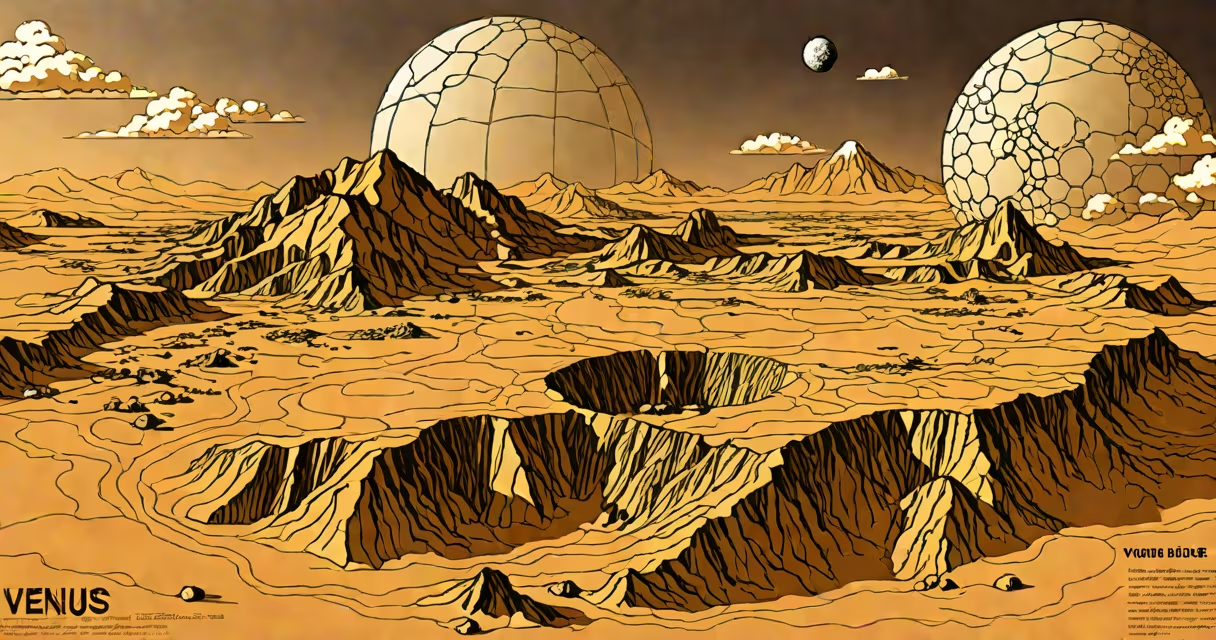
Yes, Venus is the hottest planet in our solar system, with surface temperatures averaging 864°F (462°C). This extreme heat results from its thick carbon dioxide atmosphere and runaway greenhouse effect.
Venus's atmosphere traps heat through a process similar to Earth's greenhouse effect but far more intense. Sunlight passes through the atmosphere, warming the surface, which then radiates heat. The dense carbon dioxide layer prevents most of this heat from escaping back into space, creating a permanent high-temperature state.
| Heat Source | Description | Example Planet |
|---|---|---|
| Greenhouse Effect | Atmospheric gases trap heat | Venus |
| Internal Heat | Decay of radioactive elements | Earth |
| Solar Radiation | Direct sunlight absorption | Mercury |
Understanding Venus's heat helps scientists study planetary climates and atmospheric dynamics. NASA's missions, like the Magellan spacecraft, have mapped Venus's surface and confirmed its extreme temperatures. Researchers also compare Venus to Earth to understand potential climate outcomes if greenhouse gas levels rise unchecked.
Many assume Mercury is the hottest planet because it's closest to the sun. However, Mercury lacks a substantial atmosphere to retain heat, so its temperatures fluctuate between -292°F (-180°C) at night and 800°F (427°C) during the day. Venus maintains consistent high temperatures due to its thick atmosphere.
If you were to stand on Venus's surface, the heat would be intense enough to melt lead. The atmospheric pressure is also 92 times that of Earth's, making it inhospitable for life as we know it. For comparison, baking a pizza at 475°F (246°C) seems mild next to Venus's average temperature.
When I first learned about Venus's extreme conditions, I was struck by how different planetary environments can be even within our own solar system. Understanding these differences helps us appreciate the delicate balance that makes Earth habitable.
Venus's heat is compounded by its acidic clouds and lack of water. The planet's surface is dry, with vast plains of volcanic rock and few impact craters, suggesting recent volcanic activity. This combination of factors makes Venus a unique case study in planetary science.
For more on how planets form and develop such extreme conditions, see how scientists create simulated planets to study these processes.