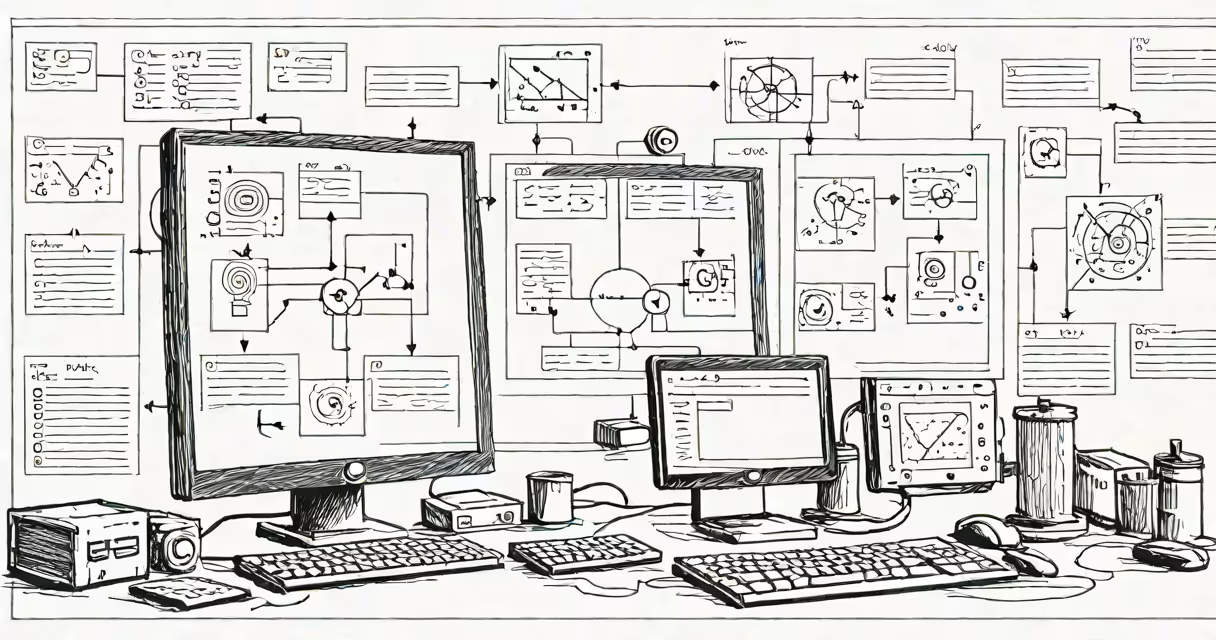
IT automation tools are software platforms that execute repetitive tasks without human intervention, using predefined rules and workflows. These tools integrate with existing systems to automate processes like data entry, file transfers, and system monitoring, freeing staff for higher-value work.
| Type | Use Case | Example Tool |
|---|---|---|
| Robotic Process Automation (RPA) | Mimics human interactions with software | UiPath |
| Infrastructure Automation | Manages servers, networks, and cloud resources | Ansible |
| Workflow Automation | Streamlines business processes | Zapier |
Many assume IT automation replaces all jobs, but it primarily augments human roles. A study by McKinsey found that less than 5% of occupations can be fully automated. For instance, while automation handles data entry in customer service, humans still manage complex inquiries requiring empathy.
Companies adopt automation to cut operational costs, reduce errors, and scale efficiently. A Deloitte report found that businesses using automation save an average of 30% on labor costs. For example, a financial firm might use automation to reconcile accounts daily, ensuring accuracy and compliance without manual effort.
I once configured an automation tool to monitor server uptime for a small business. Within weeks, it detected and resolved minor outages before they affected users, proving the tool's value beyond cost savings.