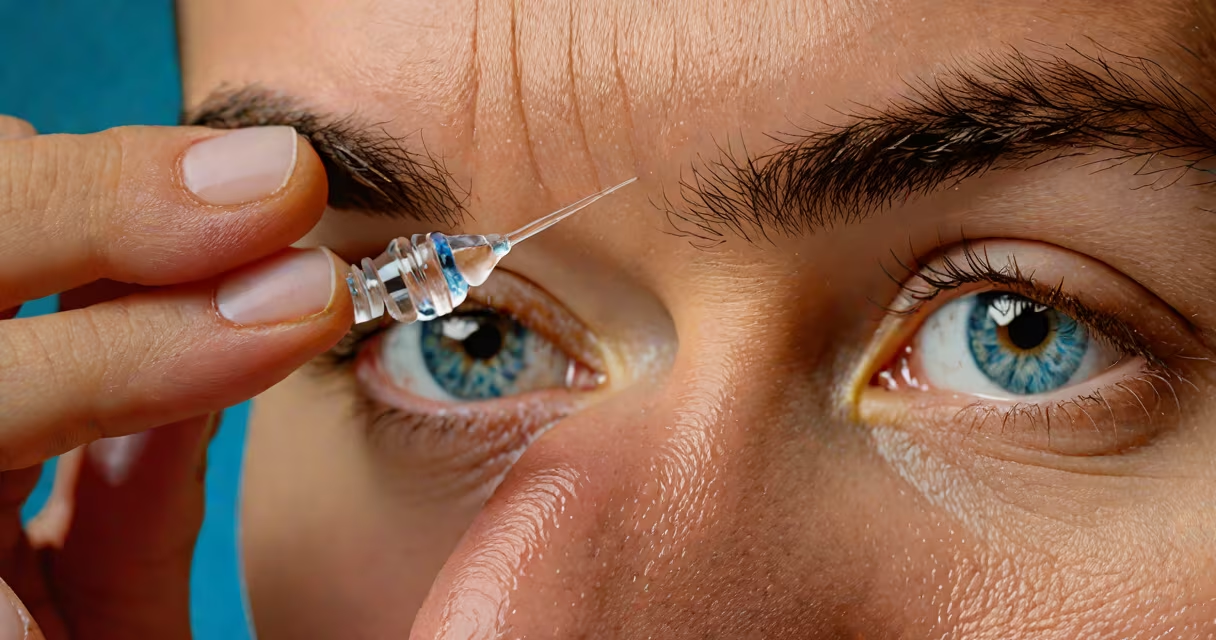
Itchy watery eye relief refers to treatments that alleviate discomfort from irritated or inflamed eyes. These remedies address underlying causes like allergies, dryness, or infections.
Most relief methods focus on hydrating the eye, reducing inflammation, or blocking histamine responses. Artificial tears mimic natural tears to lubricate dry eyes. Antihistamines block histamine receptors to reduce allergic reactions.
The most common types of relief include:
Relief is sought when symptoms like itching, watering, or redness persist. Common triggers include allergies, dry environments, or prolonged screen use. For instance, seasonal allergic conjunctivitis often requires antihistamine eye drops.
Many assume all eye drops are the same. However, lubricating drops differ from medicated ones. Using the wrong type can worsen symptoms. For example, decongestant drops should not be used long-term, as they can cause rebound redness.
Another mistake is ignoring underlying conditions. Chronic dry eyes may require more than occasional drops. A study by the American Academy of Ophthalmology found that persistent dry eye symptoms often indicate meibomian gland dysfunction, requiring specialized treatment.
If your eyes itch and water due to pollen exposure, start with over-the-counter antihistamine eye drops like ketotifen. Apply one to two drops per eye, two to four times daily, or as directed. If symptoms persist, consult a doctor for prescription options.
For dry eyes caused by screen use, use preservative-free artificial tears every few hours. Blink regularly to spread natural tears across the eye surface. If redness or discomfort worsens, see a doctor to rule out infections or other conditions.
I once helped a friend relieve itchy watery eyes by identifying their trigger-a new laundry detergent. Switching to fragrance-free products and using lubricating eye drops resolved their symptoms within days.