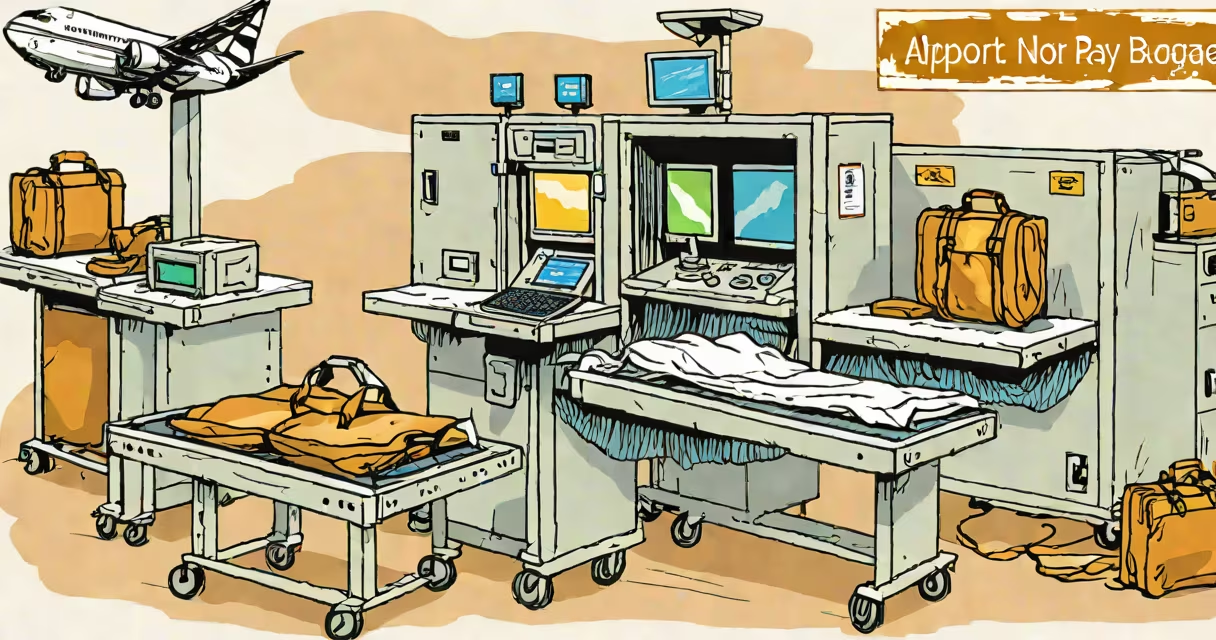
Items not allowed in hand baggage are objects that pose security risks or safety hazards during air travel. These restrictions apply to carry-on luggage and personal items. Airlines and security agencies like the TSA enforce these rules to prevent threats and ensure passenger safety.
Airport security screens hand baggage for prohibited items using x-ray machines and sometimes manual checks. If restricted items are found, they may be confiscated, or passengers could face penalties. Rules vary slightly by country, but most follow international aviation security standards.
The most common categories of items not allowed in hand baggage include:
These restrictions apply at all airports worldwide, though specific rules may differ. For example, the U.S. TSA and the EU's aviation security agency have similar but not identical lists. The primary goal is to prevent smuggling of dangerous items onto planes.
Airlines and security agencies update these lists regularly based on new threats. For instance, after the 2006 liquid bomb plot, restrictions on liquids were tightened globally. Similarly, following the 9/11 attacks, rules around carrying knives and other weapons became stricter.
Many travelers mistakenly believe that small tools or novelty items are safe to bring. However, even small scissors or tweezers can be confiscated if they exceed length limits. Another misconception is that prescription medications in pill form are restricted-this is false, as long as they are properly labeled.
Some travelers assume that wrapping gifts before security checks will avoid inspection. However, security personnel may still open packages if they suspect prohibited items are hidden inside.
One non-obvious fact is that some electronic devices, like hoverboards, are banned from checked baggage due to battery risks but are also restricted in carry-ons depending on the airline. Always check with your airline before traveling.
Imagine you're packing for a trip and want to bring a disposable razor. You check the TSA website and see that razors with removable blades are prohibited in carry-ons. You decide to pack it in your checked luggage instead. At the security checkpoint, your carry-on passes inspection because you left the razor behind.
Last year, I accidentally packed a pair of nail scissors in my handbag. At security, the screener pulled them out and explained that the blades were too long. I had to discard them, which was frustrating but necessary for safety. Since then, I always double-check the TSA's list of items not allowed in hand baggage before packing.