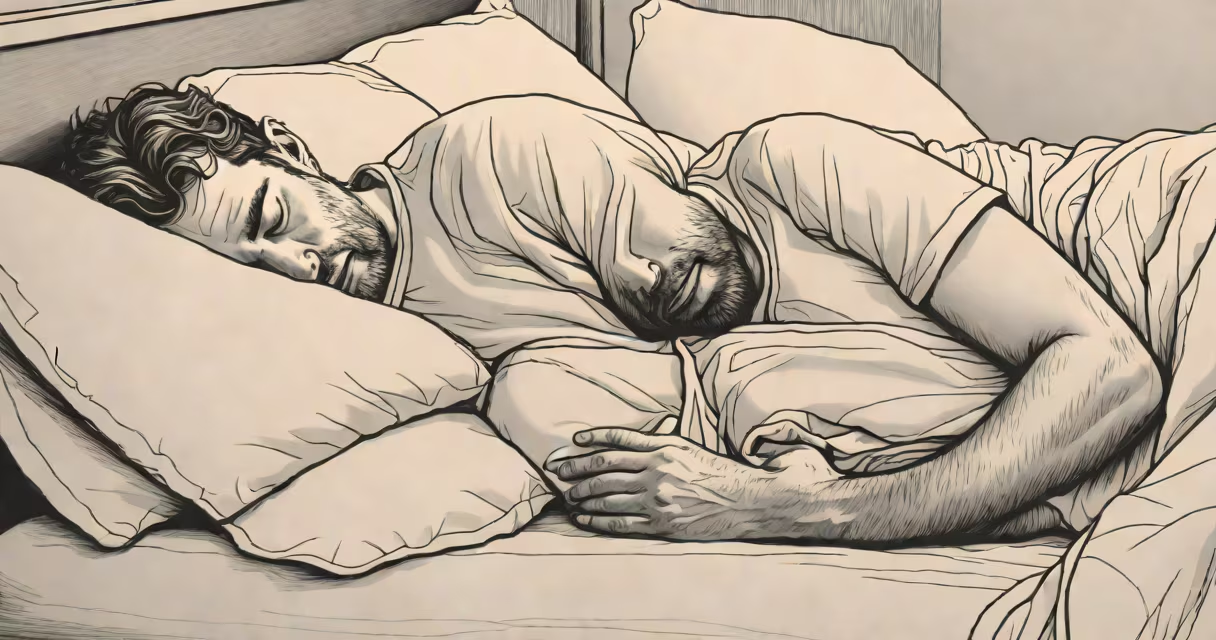
Jolting while falling asleep, known medically as a hypnic jerk or sleep hypnagogic jerk, is a sudden, brief muscle contraction that occurs just as you're drifting off. This involuntary reaction can wake you momentarily, often accompanied by a sensation of falling or a dream-like image.
Hypnic jerks can vary in intensity and frequency. Some people experience mild twitches, while others feel violent jolts. They can occur occasionally or frequently, depending on individual physiology and lifestyle factors. Some people also report accompanying sensations, such as a feeling of falling, floating, or a brief dream-like vision.
The exact cause of hypnic jerks is not fully understood, but several theories exist. One theory suggests that these jerks are a remnant of our evolutionary past, where sudden movements helped our ancestors stay alert to potential dangers. Another theory proposes that they result from stress, anxiety, or caffeine intake, which can heighten muscle tension and disrupt the normal relaxation process during sleep.
According to the Sleep Foundation, about 70% of people experience hypnic jerks at some point in their lives. They are generally harmless but can be disruptive to sleep quality.
Another misconception is that hypnic jerks are a sign of a serious medical condition. While they can be bothersome, they are usually benign. However, if they occur frequently and disrupt sleep, it may be worth consulting a healthcare provider to rule out underlying issues like sleep apnea or anxiety disorders.
To minimize the occurrence of hypnic jerks, consider the following strategies:
While hypnic jerks are generally harmless, understanding their causes and implementing strategies to reduce their frequency can lead to more restful nights. If the issue persists, consulting with a sleep specialist can provide further insights and personalized recommendations.