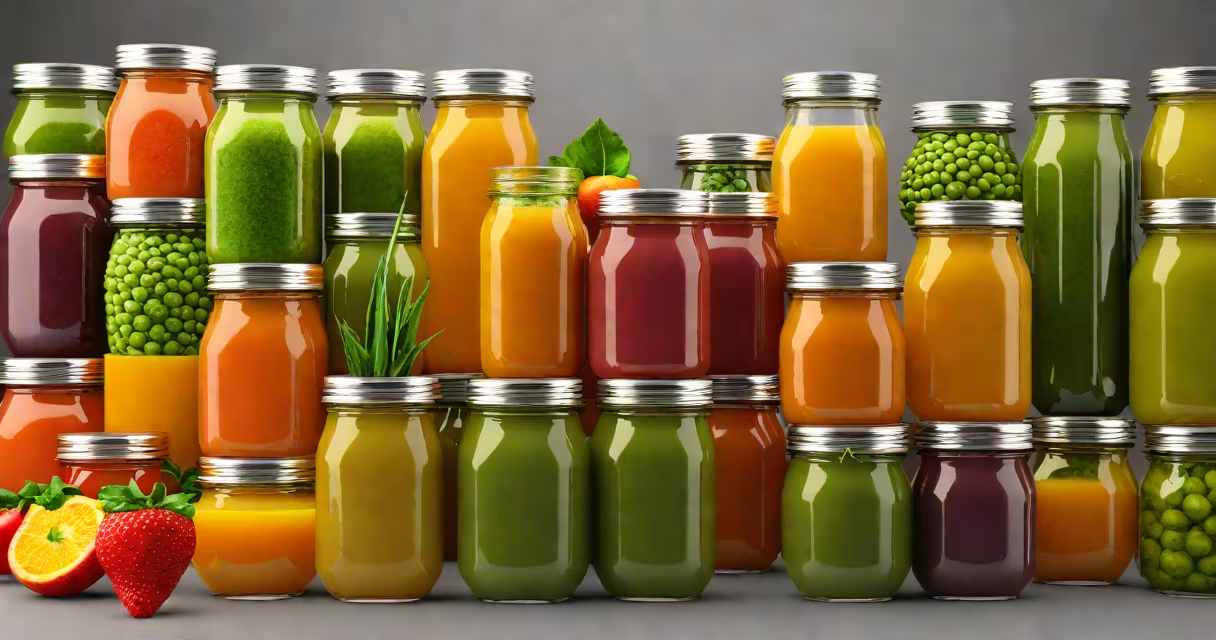
Juicing for 30 days is a dietary practice where you consume only freshly extracted vegetable and fruit juices for a month. This cleanse aims to detoxify the body, improve digestion, and boost health.
During a 30-day juicing program, participants replace solid foods with fresh juices made from fruits, vegetables, and sometimes herbs. The process involves using a juicer to extract liquid from produce, separating it from pulp. Proponents claim this allows nutrients to be absorbed more efficiently while giving the digestive system a break.
Not all 30-day juicing plans are the same. Some common variations include:
| Type | Description | Example |
|---|---|---|
| Full juice cleanse | Only juices, no solid food | 32 ounces of green juice daily |
| Modified cleanse | Juices plus small amounts of solid food | Juices plus steamed vegetables |
| Juice feast | Primarily juices with occasional whole fruits | Juices plus avocado and banana |
Proponents of juicing for 30 days claim several benefits. These include improved digestion, better nutrient absorption, and enhanced energy levels. Some people report clearer skin and better mental focus. However, scientific evidence supporting these claims is limited.
A study published in the Journal of Medicinal Food found that short-term juice fasting may have positive effects on biomarkers of oxidative stress, but long-term effects remain unclear.
Many people confuse juicing with blending. While both processes create liquid beverages from produce, juicing separates the liquid from pulp, resulting in a lower-fiber drink. Blending keeps all parts of the fruit or vegetable intact.
Another misconception is that juicing is a weight loss solution. While some people may lose weight initially, much of this is water weight, and results vary widely. Long-term weight management requires a balanced diet and regular exercise.
I tried a modified 30-day juicing program last year. For breakfast, I had a green juice made with kale, cucumber, celery, and lemon. Lunch was a carrot-apple-ginger juice, and dinner consisted of steamed vegetables. I noticed increased energy levels during the first week, but by the third week, I experienced sugar cravings and fatigue. I returned to my normal diet afterward but incorporated more fresh juices into my routine.
Before starting a 30-day juicing program, consult with a healthcare professional, especially if you have any medical conditions or are taking medications. Some people may experience side effects such as headaches, dizziness, or low energy levels during the initial days of a juice cleanse.
The FDA recommends washing all produce thoroughly before juicing to reduce the risk of foodborne illnesses., be aware that some fruits and vegetables are high in pesticides, so choosing organic options may be beneficial.
If a full 30-day juice cleanse seems too extreme, consider incorporating more fresh juices into your existing diet without eliminating solid foods completely. You could also explore other detox methods, such as intermittent fasting or reducing processed foods.