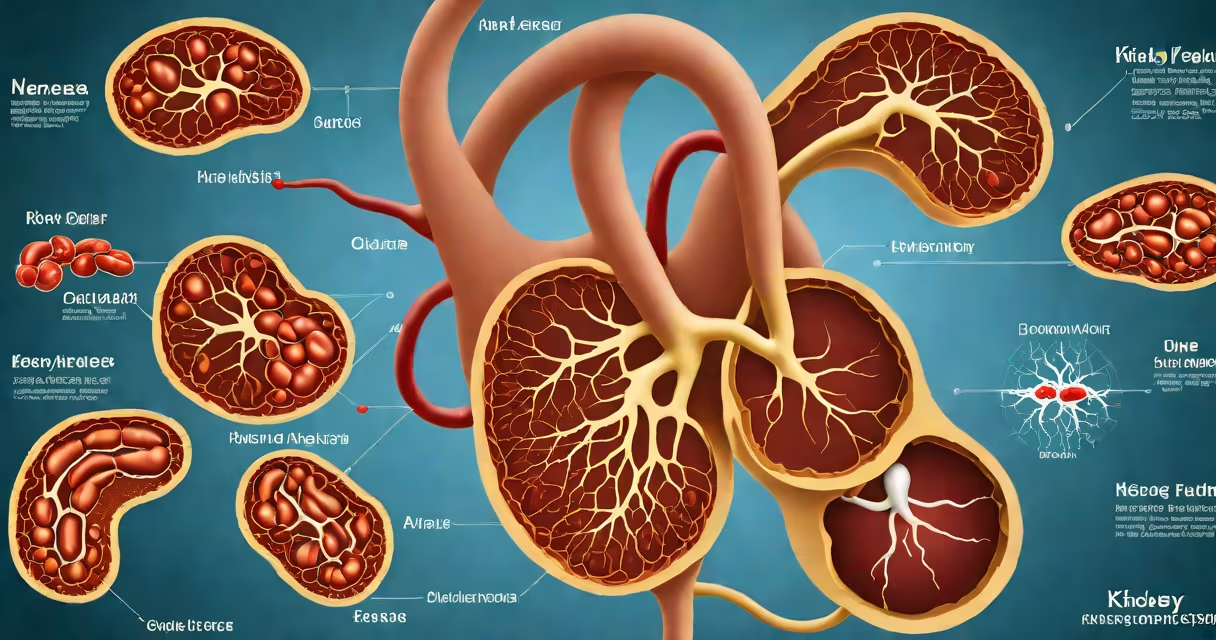
Kidney failure and nausea are closely linked because failing kidneys struggle to filter waste, causing toxins to build up and trigger nausea. This connection appears in both acute and chronic cases.
When kidneys fail, they can't properly remove urea and other waste products. These accumulate in the bloodstream, raising urea levels and triggering nausea through stimulation of the chemoreceptor trigger zone in the brain. A study in Clinical Journal of the American Society of Nephrology confirmed this link in 82% of advanced kidney disease patients.
| Type | Duration | Nausea Likelihood |
|---|---|---|
| Acute kidney failure | Sudden onset | Common (70%) |
| Chronic kidney disease | Gradual progression | Very common (90%) |
| End-stage renal disease | Permanent damage | Almost certain (95%) |
Nausea rarely appears alone. Common co-occurring symptoms include loss of appetite, fatigue, swelling, and changes in urine output. Many patients report these symptoms worsening together as kidney function declines.
Many assume nausea only appears in late-stage kidney failure. However, it can occur early. A 2021 study in Nephrology Dialysis Transplantation found 60% of stage 3 CKD patients reported nausea.
Another myth is that nausea only results from high blood urea levels. While this is common, it can also stem from electrolyte imbalances, anemia, or medication side effects in kidney patients.
During my work at a dialysis center, I noticed patients often reported nausea before other symptoms worsened. Tracking this helped clinicians adjust treatments proactively.
If you or someone you know experiences persistent nausea alongside other symptoms like fatigue or swelling, consult a healthcare provider about potential kidney issues. Early diagnosis improves treatment outcomes.