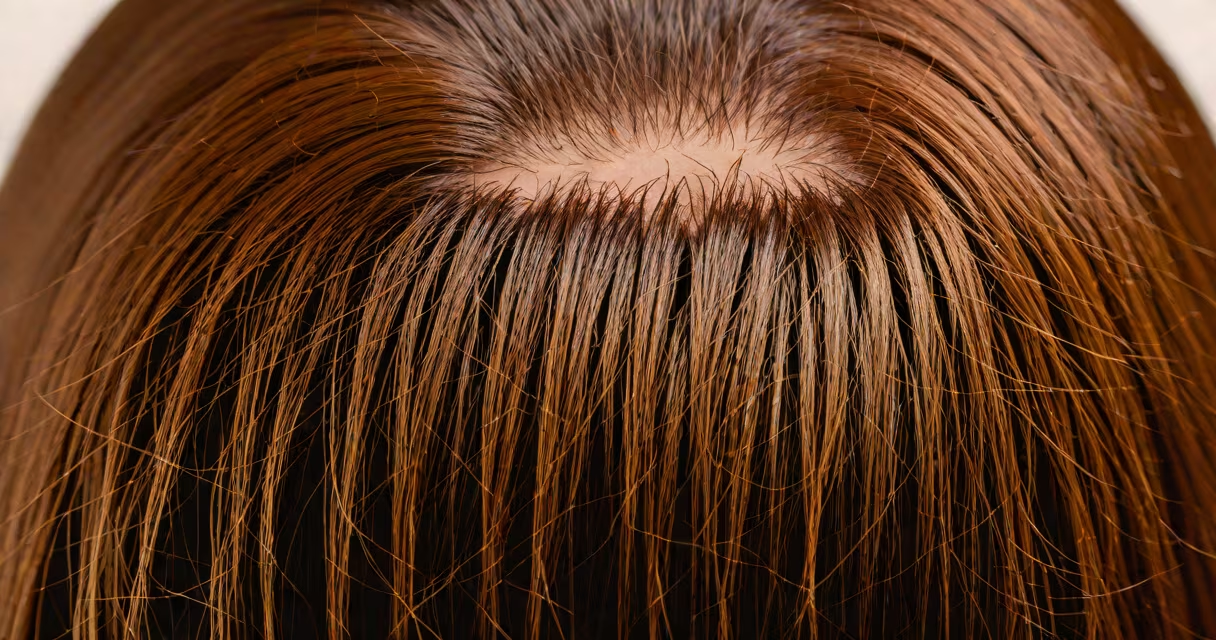
Lack of estrogen hair loss occurs when declining estrogen levels disrupt the normal hair growth cycle, often accelerating androgenetic alopecia. This condition primarily affects women during perimenopause and menopause but can also occur in younger women with hormonal imbalances.
Estrogen is important for maintaining healthy hair by prolonging the anagen (growth) phase of the hair cycle. When estrogen levels drop, hair follicles can shrink and produce thinner, shorter hairs. This process is particularly noticeable in women who experience sudden hormonal changes, such as those occurring during pregnancy or menopause.
The most common types of hair loss linked to estrogen deficiency include:
Lack of estrogen hair loss typically results from natural aging, but other factors can contribute, including:
Treatment depends on the underlying cause. Common approaches include:
For those considering estrogen supplements, consulting a healthcare provider is essential to weigh benefits against risks.
Many people confuse lack of estrogen hair loss with other conditions, such as:
A dermatologist can diagnose the root cause through blood tests and scalp biopsies.
I once worked with a patient who experienced sudden hair loss after stopping birth control. Her symptoms improved with minoxidil and dietary adjustments, but her case highlights the importance of personalized treatment plans.
While lack of estrogen hair loss is often unavoidable, understanding its causes and treatments can help manage symptoms effectively. For those experiencing hair loss due to medications like atenolol, alternative treatments may be necessary.