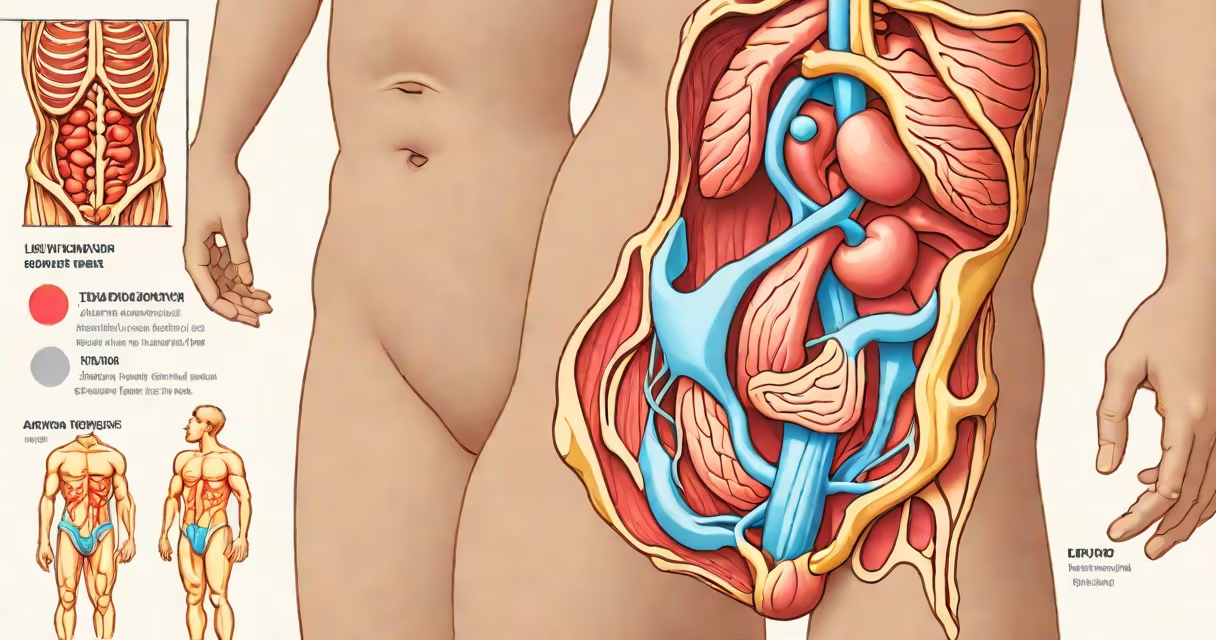
Pain on the left side of your waist can stem from muscle strains, digestive issues, or more serious conditions like kidney stones or hernias. Most cases resolve with rest and home care, but persistent or severe pain requires medical evaluation.
Most left waist pain arises from musculoskeletal issues or organ-related problems. The table below outlines frequent triggers:
| Cause | Description | Associated Symptoms |
|---|---|---|
| Muscle strain | Overuse or injury to core muscles | Tenderness, limited movement |
| Kidney stones | Hard mineral deposits in kidneys | Sharp pain, blood in urine |
| Diverticulitis | Inflammation of intestinal pouches | Fever, nausea, constipation |
| Hernia | Tissue protrusion through muscle weakness | Bulge, pressure sensation |
Many people experience left side pain during their period, often due to uterine positioning or endometriosis. This typically resolves within a few days, but severe or recurring pain warrants gynecological evaluation.
Location matters: pain under the left breast often indicates heartburn or muscle tension, while lower left side discomfort may suggest digestive issues. A sudden, severe pain accompanied by fever or vomiting requires immediate medical attention.
For mild cases, apply heat packs and gentle stretching exercises. Over-the-counter pain relievers can help, but avoid long-term use without medical advice. Stay hydrated and monitor symptoms for 48 hours. If pain persists or worsens, consult a healthcare provider.
I once experienced left waist pain after an intense workout. Applying a heating pad and resting for two days resolved the issue. However, if the pain had persisted or included other symptoms, I would have sought medical attention immediately.
Persistent pain lasting more than two days, or pain accompanied by fever, nausea, or changes in bowel movements, requires professional diagnosis. Doctors may perform physical exams, imaging tests, or blood work to identify the underlying cause.
Maintain good posture during physical activities and warm up properly before exercise. Stay hydrated and eat a balanced diet to support digestive health. Regular check-ups can help detect potential issues early.