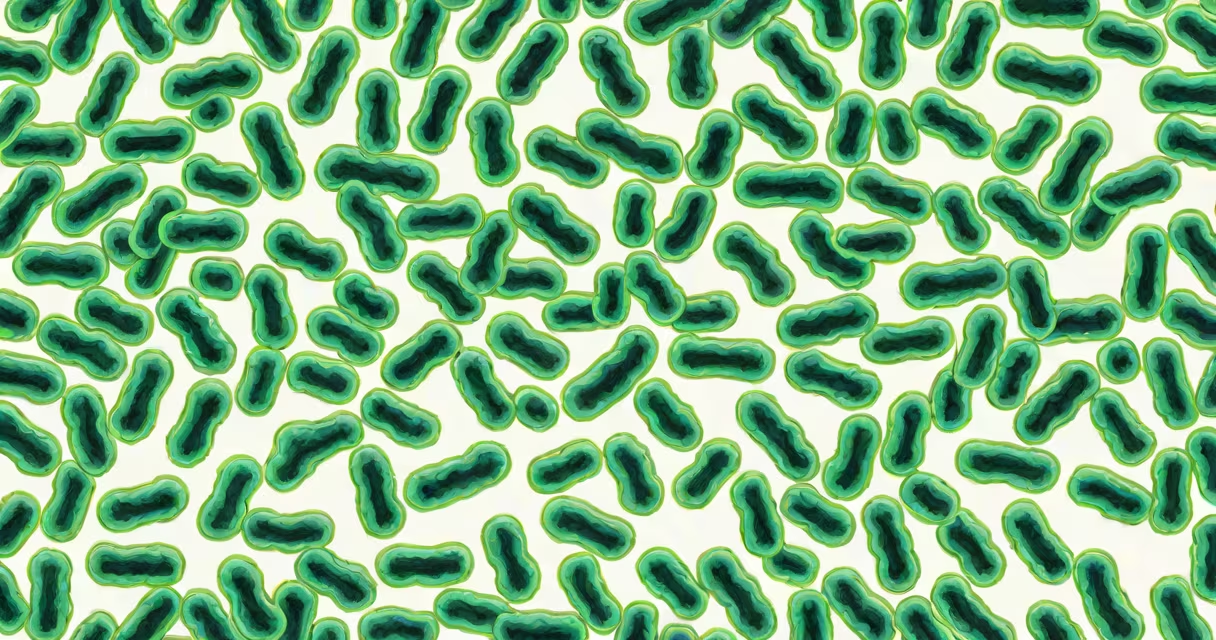
Legionnaires' disease bacteria are rod-shaped microorganisms called Legionella pneumophila that cause Legionnaires' disease, a severe form of pneumonia. These pathogens thrive in water systems and spread through inhaling contaminated mist.
Legionella bacteria multiply inside amoebae and other protozoa in water. When humans inhale aerosolized water droplets containing the bacteria, the pathogens infect lung cells, triggering inflammation and fluid buildup that leads to pneumonia. The incubation period ranges days.
Over 60 Legionella species exist, but L. pneumophila causes about 90% of Legionnaires' disease cases. Other notable species include:
The term "Legionnaires' disease bacteria" specifically refers to Legionella species that cause human illness. These bacteria naturally occur in freshwater environments but become dangerous when they colonize man-made water systems like:
They thrive in warm water (between 77°F and 113°F) and stagnant conditions. Outbreaks often occur when maintenance neglects proper disinfection and temperature control.
Many confuse Legionnaires' disease with other bacterial infections like chlamydia, which affects the reproductive system rather than the lungs. Unlike cold viruses, Legionnaires' disease bacteria don't spread person-to-person but require water aerosol transmission.
A common myth suggests only elderly people contract Legionnaires' disease. While risk increases with age, anyone can become infected. For example, in 2019, a New York City outbreak affected individuals aged 21-84.
Effective control requires regular water system maintenance. The CDC recommends:
| Method | Effectiveness | Frequency |
|---|---|---|
| Maintain water temperature above 140°F in storage tanks | High | Continuous |
| Use chlorine or copper-silver ionization | Moderate | As needed |
| Clean and disinfect cooling towers quarterly | High | Every 3 months |
During my work with building inspectors, I observed that proper maintenance schedules drastically reduced Legionella contamination risks in large facilities.
Legionnaires' disease symptoms include fever, cough, shortness of breath, muscle aches, and headaches. Severe cases may lead to respiratory failure. Doctors treat it with antibiotics like azithromycin or levofloxacin. Early diagnosis improves recovery chances.