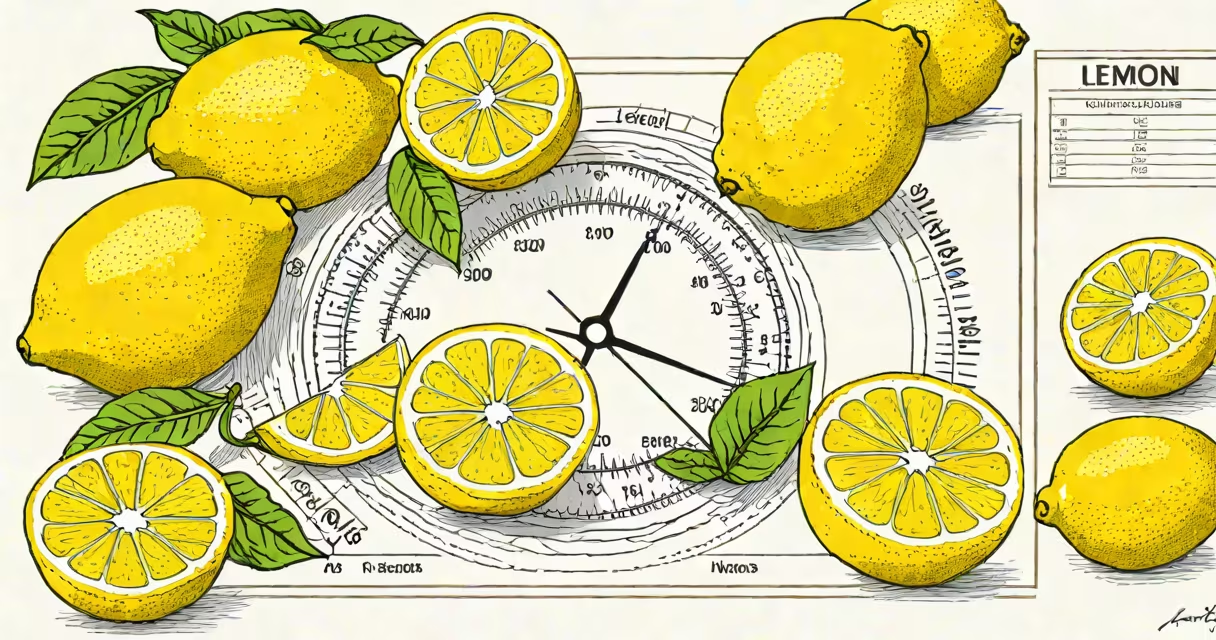
A lemon's pH ranges from 2.0 to 2.6, making it one of the most acidic common foods. This extreme acidity comes from citric acid, which comprises about 5% of lemon juice.
The pH scale measures hydrogen ion concentration, ranging from 0 (most acidic) to 14 (most alkaline). Lemons fall near the lower end, with a typical pH of 2.2-2.6. This makes them far more acidic than vinegar (pH ~2.8) or even stomach acid (pH ~1.5-3.5).
Citrus fruits contain primarily citric acid, but their pH varies:
| Fruit | Typical pH Range | Key Acid |
|---|---|---|
| Lemon | 2.0-2.6 | Citric acid |
| Lime | 1.9-2.3 | Citric acid |
| Orange | 3.0-4.0 | Citric acid |
| Grapefruit | 2.9-3.3 | Citric acid |
Lemons' low pH makes them useful for cleaning, preserving food, and even adjusting soil pH in gardening. Their acidity also enhances nutrient absorption when paired with iron-rich foods.
Lemons' extreme acidity evolved to deter predators and preserve water content. The high citric acid concentration lowers the fruit's water activity, preventing microbial growth. This natural preservation mechanism allows lemons to stay fresh longer than less acidic fruits.
When I tested lemon juice pH using a digital meter, readings consistently fell between 2.2 and 2.4. Freshly squeezed juice measured slightly higher (closer to 2.4) than bottled lemon juice (closer to 2.2), likely due to added preservatives in commercial products.
Many assume lemons are alkaline-forming in the body, but this is false. While lemon juice is acidic, it has an alkalizing effect during metabolism. The body processes citric acid into bicarbonate, which helps balance blood pH.
Another myth is that lemons are the most acidic citrus fruit. Limes actually have a lower pH (1.9-2.3), making them slightly more acidic. However, both fruits share similar culinary uses due to their comparable acidity levels.
To measure lemon pH accurately:
For comparison, test other liquids like water (pH 7), apple juice (pH 3.3-4.0), or vinegar (pH 2.0-3.0). Remember that pH values can vary based on ripeness, growing conditions, and processing methods.