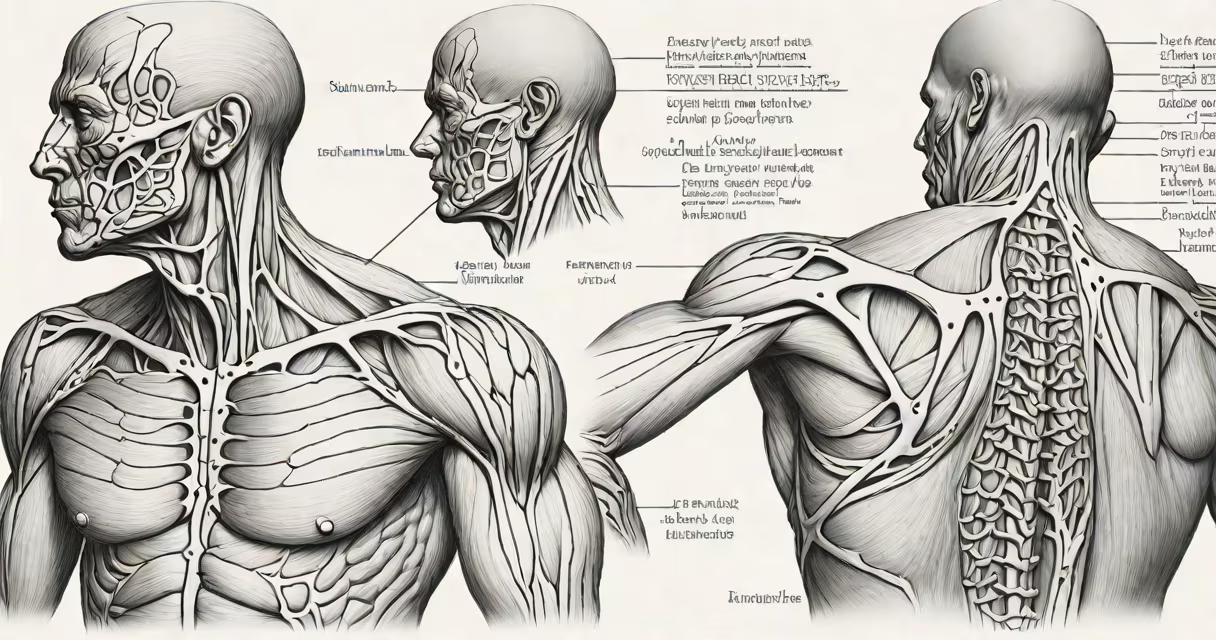
The levator scapulae muscle connects the upper four cervical vertebrae to the scapula, and its referred pain typically radiates from the neck to the shoulder and sometimes to the head, creating patterns that mimic other conditions like tension headaches or rotator cuff injuries.
When the levator scapulae muscle develops trigger points-localized areas of hyperirritability-they refer pain along predictable pathways. This occurs due to the muscle's innervation by the dorsal rami of cervical nerves C3-C4, creating a sensory feedback loop that amplifies discomfort.
The levator scapulae has two common trigger point locations:
| Trigger Point Location | Referred Pain Pattern |
|---|---|
| Upper portion (near C1-C2) | Pain radiates to the back of the head and temple |
| Middle portion (near C3-C4) | Pain extends to the shoulder blade and upper arm |
For example, a trigger point in the middle portion may cause pain that extends from the neck down to the shoulder blade and upper arm, often mistaken for mid-back referred pain.
Trigger points form due to sustained postures, such as prolonged computer work with the head forward, or repetitive movements like throwing. Poor sleep positions and stress also contribute by increasing muscle tension.
Diagnosis involves palpation of the muscle while observing if pressure reproduces the patient's typical pain pattern. Treatment includes trigger point release techniques, stretching, and postural correction. For instance, a 2016 study in the Journal of Bodywork and Movement Therapies found that combining ischemic compression with cervical range-of-motion exercises reduced levator scapulae pain by 68% after six weeks.
Levator scapulae pain is often confused with:
The key difference is that trigger point pain moves when the muscle is moved, whereas nerve-related pain follows a dermatomal pattern.