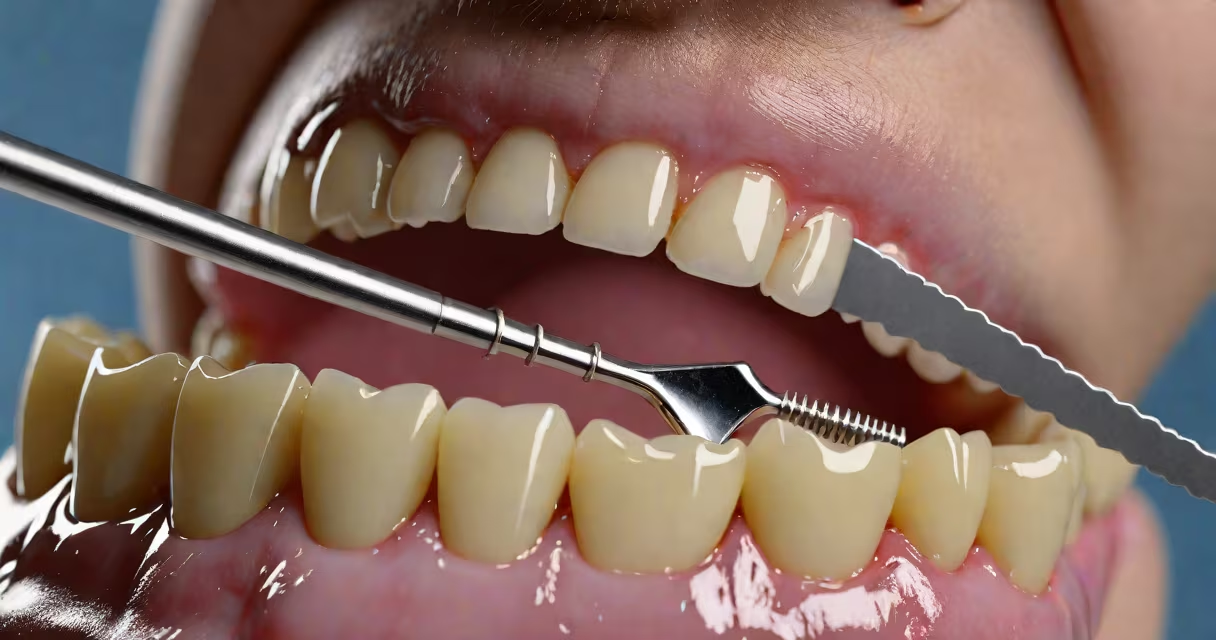
Leve plaque placo is a specialized dental tool designed to remove hardened plaque from teeth through gentle scraping. It targets tartar buildup that regular brushing misses.
The tool features a thin, curved metal blade that slides between teeth and along the gumline. Its design allows users to dislodge plaque without damaging enamel or gums. Most models come with ergonomic handles for better control during use.
Leve plaque placo tools come in several varieties:
Using leve plaque placo involves these steps:
I first tried a leve plaque placo tool after noticing dark stains along my gumline despite regular brushing. The tool removed noticeable buildup within minutes, revealing cleaner tooth surfaces beneath.
Many people confuse leve plaque placo with other dental tools:
| Misconception | Reality |
|---|---|
| Same as regular toothbrushes | Brushes clean surfaces but can't remove hardened plaque |
| Works like dental floss | Floss removes food particles between teeth, not tartar buildup |
| Replaces professional cleanings | Professional cleanings reach below the gumline that tools can't access |
Dentists recommend using leve plaque placo tools:
According to the American Dental Association, proper plaque removal helps prevent gum disease and tooth decay. A study published in the Journal of Clinical Periodontology found that regular plaque removal reduced gingivitis by 40% over six months.
While leve plaque placo tools are generally safe, improper use can cause: