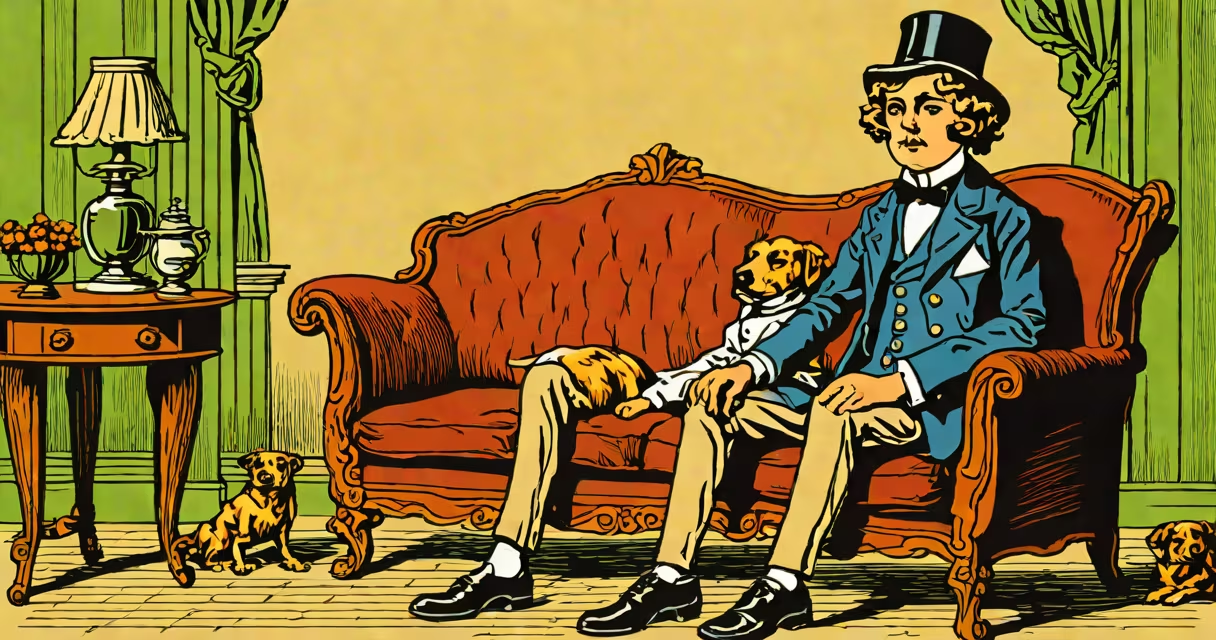
The "little lord fauntleroy meaning" refers to the themes of innocence, class, and social critique embodied in the titular character of Frances Hodgson Burnett's 1886 novel. The story explores how Cedric Errol, a kind-hearted American boy, transforms his grumpy British grandfather through his gentle nature.
Cedric Errol, the protagonist, inherits an earldom and moves to England from America. His grandfather, the Earl of Dorincourt, initially expects Cedric to be spoiled and arrogant. Instead, Cedric's kindness and moral integrity challenge the Earl's cynical worldview. The novel's popularity in the late 19th century led to the term "Fauntleroy suit" describing the character's distinctive velvet suit with lace collar.
The story critiques Victorian-era class structures by showing how Cedric's innocence and empathy soften his grandfather's harsh attitudes toward the poor. Burnett contrasts Cedric's American upbringing with the rigid British aristocracy, highlighting cultural differences. The novel also explores themes of redemption and family bonds.
Many assume "Little Lord Fauntleroy" is purely a children's story about a well-behaved boy. However, Burnett intended deeper social commentary on class inequality and moral reform. The character's influence extended beyond literature, inspiring fashion trends and reinforcing ideals of gentlemanly conduct.
The novel's impact persists in adaptations across films, plays, and television. The character's name became synonymous with well-mannered children, though modern readers often focus on its critique of privilege. Burnett's work remains relevant for its exploration of morality and social responsibility.