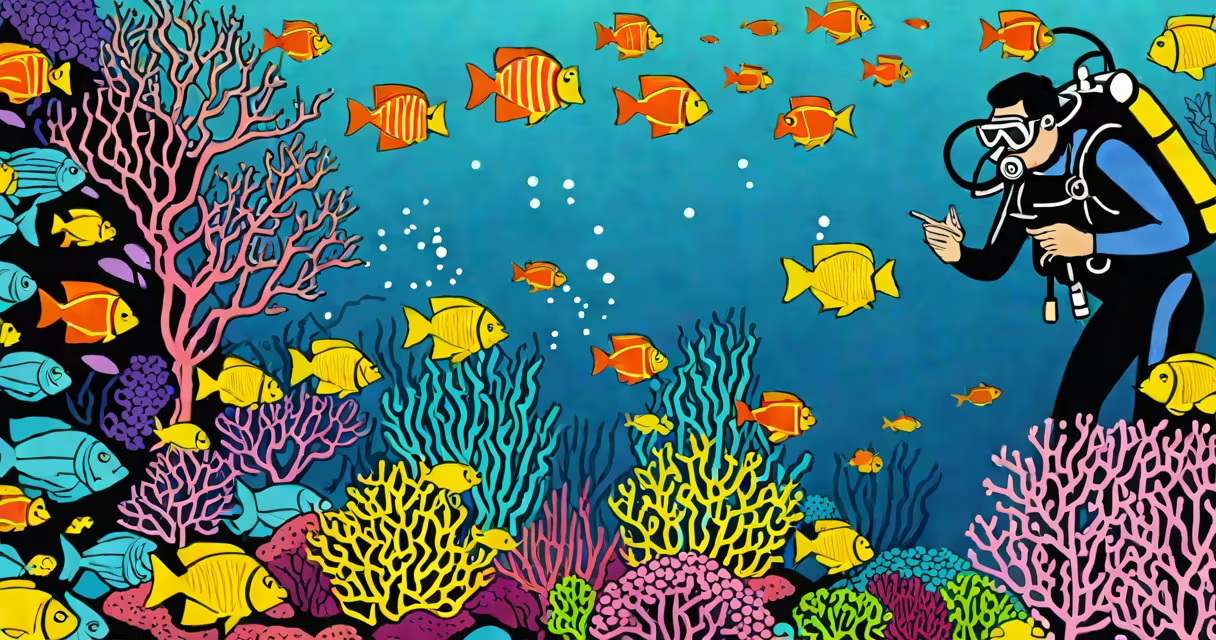
Local scuba diving refers to underwater exploration at sites within driving distance of your home, typically featuring shallow waters, calm conditions, and diverse marine ecosystems. These accessible dive locations cater to beginners and experienced divers alike.
Unlike exotic international destinations, local dive sites prioritize convenience over extreme depths or rare species. Most are reachable within 1-3 hours from major population centers, with water temperatures ranging from 60°F to 85°F depending on location and season.
| Type | Depth Range | Typical Marine Life |
|---|---|---|
| Natural Reefs | 10-40 feet | Coral, tropical fish, crustaceans |
| Shipwrecks | 30-80 feet | Artificial reefs, schools of fish |
| Kelp Forests | 15-60 feet | Sea otters, rays, lobsters |
| Freshwater Springs | 10-30 feet | Unique freshwater species |
Local diving appeals to budget-conscious explorers and those with limited time. A typical local dive costs $80-$150 including gear rental, compared to $300-$600 for international trips. Many sites offer year-round access, unlike remote locations with seasonal weather restrictions.
According to the Diver's Alert Network, 62% of certified divers prefer local sites for training and recreational dives. The U.S. alone has over 1,000 documented local dive locations.
Another myth is that local diving requires advanced certification. Most sites accommodate open-water certified divers with basic skills. The National Association of Underwater Instructors recommends local dives as ideal practice for new divers.
Begin by researching dive centers near you. Many offer discovery dives in pools or protected bays before moving to open water. Pack essentials like a dive computer, mask, fins, and wetsuit appropriate for your region's water temperature.
Check local regulations regarding permits, protected species, and environmental guidelines. Some areas require advance reservations or have seasonal closures to protect nesting marine life.