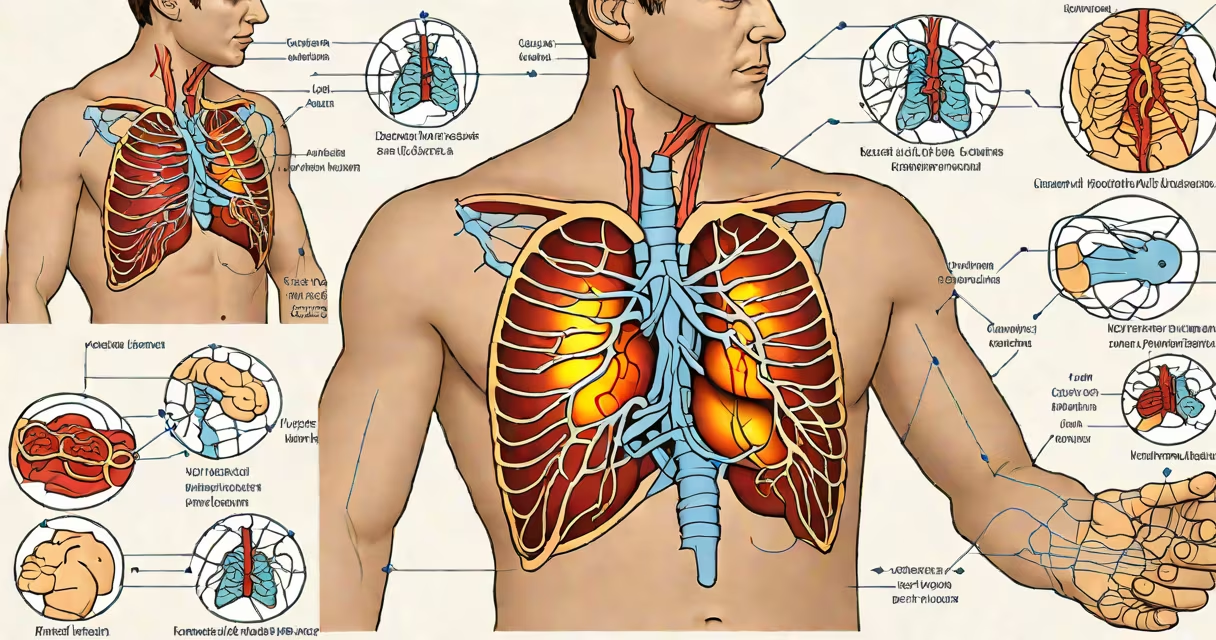
Localized chest pain is sharp discomfort confined to one specific area of the chest, often mistaken for heart-related issues but sometimes caused by other conditions. This pain can feel like a stabbing sensation, pressure, or tightness in a concentrated spot rather than spreading across the chest.
Unlike widespread chest pain, which may radiate to the arms or jaw, localized chest pain stays in one place. This can make it harder to diagnose because the cause isn't always cardiac. The pain might be due to muscle strain, rib issues, or even digestive problems. For example, costochondritis-a common condition-causes sharp pain where the rib cage meets the sternum.
Localized chest pain can stem from various sources:
Doctors use the location of chest pain to narrow down potential causes. For instance, pain that worsens with deep breaths or movement suggests a musculoskeletal issue, while pain that gets worse with exertion might indicate heart problems. A study published in the Journal of the American Medical Association found that only about 15% of chest pain cases are heart-related, emphasizing the importance of accurate diagnosis.
Many people assume all chest pain is heart-related, but non-cardiac causes are far more common. For example, acid reflux can mimic heart attack symptoms, leading to unnecessary panic. Conversely, some heart attacks present with mild, localized pain that people ignore. A 2019 study in Circulation noted that women often experience localized chest pain during heart attacks, unlike the classic "elephant on the chest" description typically associated with men.
Sarah, a 32-year-old runner, noticed sharp pain under her left breastbone after a long jog. She assumed it was heart-related and rushed to the ER. After tests, doctors diagnosed costochondritis-a common inflammation of the cartilage connecting the ribs to the sternum. The pain was localized, worsened with deep breaths, and improved with rest, fitting the profile of a musculoskeletal issue rather than a cardiac one.
While localized chest pain can sometimes indicate serious conditions, it's often due to less concerning causes. If the pain is sudden, severe, or accompanied by shortness of breath or dizziness, seek medical attention immediately. For more details on diagnosing chest pain, see what to do when you have chest pain.