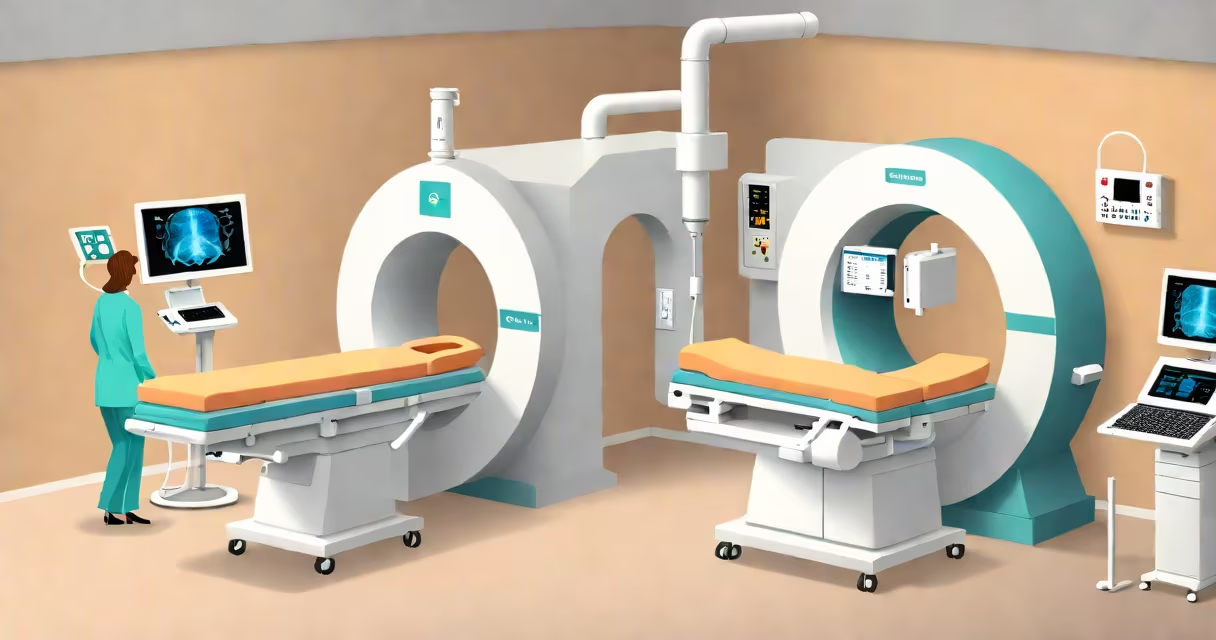
Low dose lung cancer screening is an early detection method using low-dose computed tomography (CT) scans to identify lung cancer in high-risk individuals before symptoms appear. This screening method has been shown to reduce lung cancer deaths by 20% or more in those most at risk.
A low-dose CT scan takes multiple images of the lungs from different angles. A computer then combines these images to create detailed cross-sectional views. The radiation exposure from a low-dose CT scan is much lower than that of a standard CT scan, making it safer for regular screenings.
The screening process typically involves lying on a table that slides into the CT scanner. The scan itself takes only a few minutes and is painless. The images are then reviewed by a radiologist to look for any abnormalities that could indicate the presence of lung cancer.
There are two primary types of lung cancer screenings:
For example, a 60-year-old individual who has smoked one pack of cigarettes daily for 20 years meets the criteria for screening. This person would benefit from annual low-dose CT scans to monitor for any signs of lung cancer.
Lung cancer is the leading cause of cancer death in the United States, according to the American Cancer Society. Early detection through low dose lung cancer screening improves the chances of successful treatment. When lung cancer is caught at an early stage, the five-year survival rate can be as high as 55%, compared to just 5% for advanced stages.
Annual screenings allow for the monitoring of any changes in the lungs over time. If a suspicious nodule is detected, further tests such as biopsies or additional imaging can be performed to determine the nature of the abnormality.
One common misconception is that only current smokers should be screened. In reality, individuals who have quit smoking within the past 15 years are still at high risk and should consider screening. Another misconception is that screening is only necessary for those with symptoms. However, by the time symptoms appear, the cancer may have already progressed to an advanced stage, making treatment more difficult.
Some people believe that the radiation from CT scans is harmful. While it is true that radiation exposure should be minimized, the benefits of early detection far outweigh the risks associated with low-dose CT scans. The radiation dose from a low-dose CT scan is comparable to the natural radiation exposure a person receives from the environment over about two years.
I once accompanied a family member to their low dose lung cancer screening appointment. The process was quick and straightforward. The technician explained each step, and the scan itself took less than 10 minutes. The results were available within a few days, providing peace of mind and ensuring any potential issues could be addressed promptly.
Low dose lung cancer screening is a important tool for early detection and improved survival rates in high-risk individuals. By understanding who qualifies for screening and the benefits it offers, individuals can take proactive steps to monitor their lung health and catch any potential issues early.