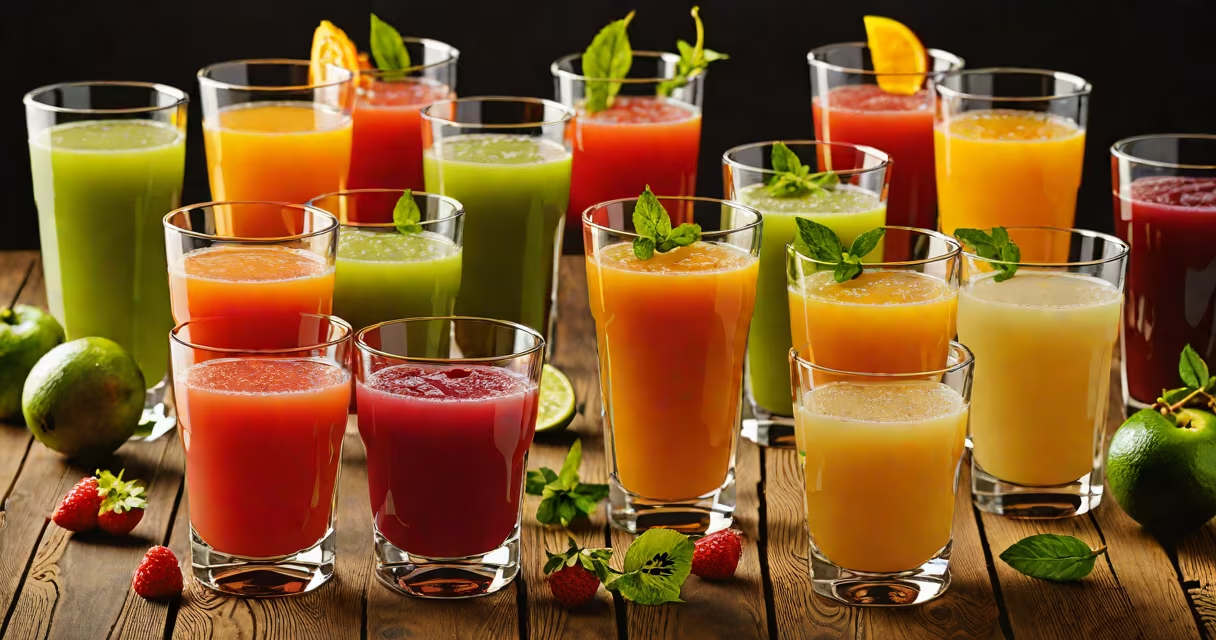
Low calorie fruit juice is a beverage made from fruits with minimal added sugars, typically containing fewer than 50 calories per serving. These juices provide essential vitamins and minerals while supporting weight management goals.
Most low calorie fruit juices achieve their reduced calorie count by using natural sweeteners like stevia or monk fruit, diluting the juice with water, or selecting naturally low-calorie fruits such as berries or citrus. The goal is to retain the nutritional benefits of fruit juice while minimizing caloric intake.
| Type | Calories per Serving | Key Nutrients |
|---|---|---|
| Diluted Juice | 30-50 | Vitamin C, potassium |
| Stevia-Sweetened Juice | 20-40 | Antioxidants, vitamin A |
| Berries Juice Blends | 40-60 | Fiber, vitamin K |
Many people assume that all fruit juices are high in calories and sugar. However, low calorie fruit juices offer a healthier alternative by reducing sugar content through natural methods. Another misconception is that these juices lack nutritional value, but they still provide important vitamins and minerals.
Consider a typical serving of diluted orange juice. By mixing one part orange juice with two parts water and adding a touch of stevia, you create a refreshing drink with about 30 calories per serving. This drink retains the vitamin C and potassium of orange juice but reduces the caloric content.
I once prepared a low calorie fruit juice blend for a week-long detox. Using a mix of diluted cranberry juice and a splash of stevia-sweetened grape juice, I enjoyed a flavorful drink with only 40 calories per glass. It kept me hydrated and provided essential nutrients without the guilt of excess calories.