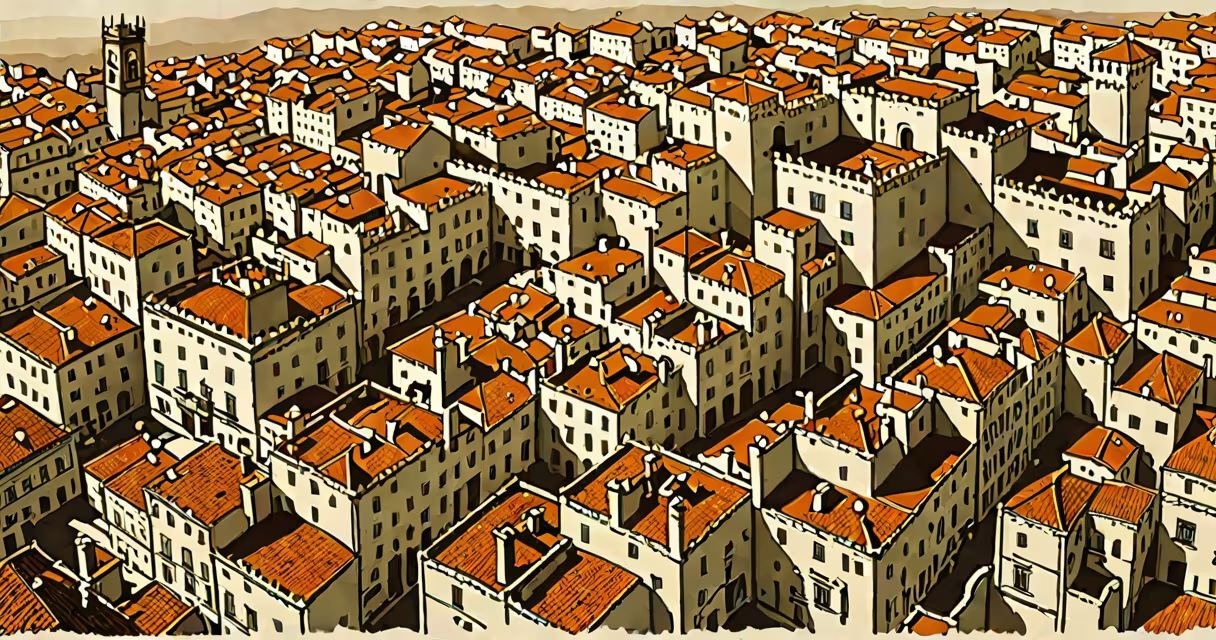
LSA Baixa Castelo is a revitalization project in Castelo Branco, Portugal, that transforms the city's historic center into a contemporary urban space while preserving its architectural heritage. The initiative combines modern infrastructure with historical preservation to improve livability and attract visitors.
The project involves restoring old buildings, improving public spaces, and introducing new amenities like pedestrian zones and green areas. It aims to balance modernization with respect for the city's cultural identity. For example, the team has repurposed historic structures into cafes and shops while maintaining their original facades.
LSA Baixa Castelo includes several key elements:
Castelo Branco was chosen for its rich history and strategic location in central Portugal. The city's medieval castle and Renaissance-era architecture make it a prime candidate for heritage-focused urban renewal. The project also supports local businesses by creating new economic opportunities in the redeveloped area.
Some people assume that LSA Baixa Castelo involves demolishing historic buildings to make way for modern ones. However, the project prioritizes restoration and adaptive reuse. For instance, the old city walls are being preserved and incorporated into new walkways rather than torn down.
Another misconception is that the project is solely for tourism. While it does attract visitors, the primary goal is to improve the quality of life for residents by providing better public spaces and services.
One of the standout features of LSA Baixa Castelo is the transformation of Praça do Município, the main square in Castelo Branco. Originally a bustling market area, the square had fallen into disrepair. The project restored its cobblestone pavement, added modern benches, and introduced a new fountain. The square now serves as a gathering place for both locals and tourists, hosting events like outdoor concerts and farmers' markets.
During a visit to Castelo Branco, I witnessed the ongoing work in the historic center. The contrast between the newly renovated areas and the still-under-construction sites was striking. Locals I spoke with expressed excitement about the changes, particularly the improved accessibility and the addition of new cafes and shops.