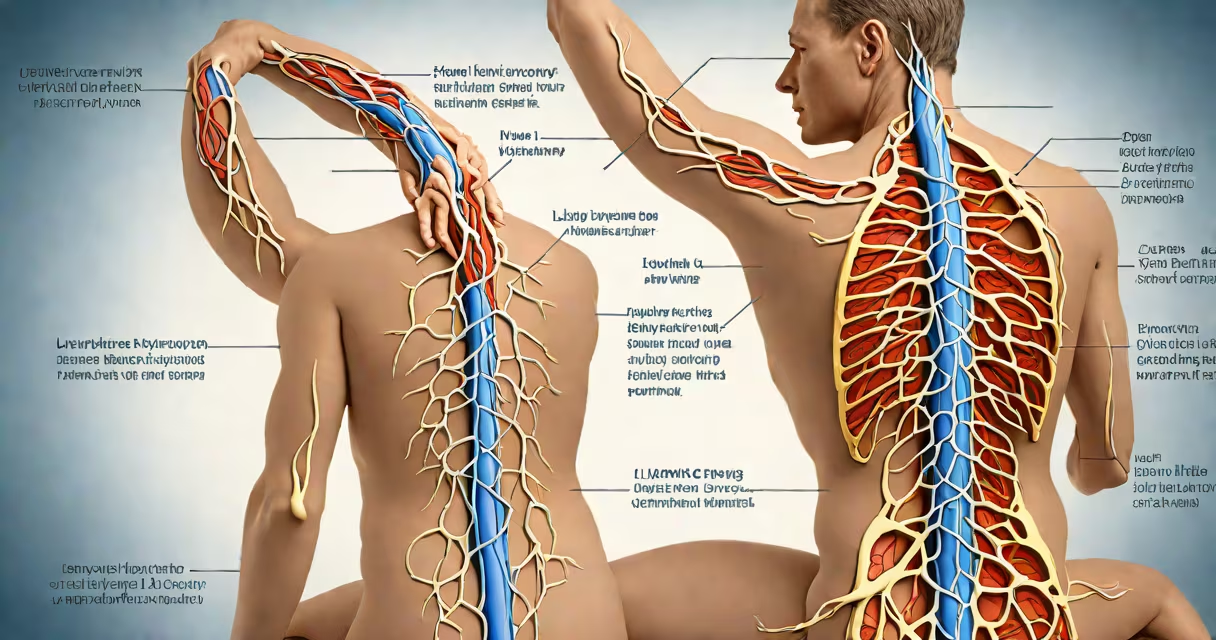
Lymphatic drainage moves fluid from tissues through lymph vessels to lymph nodes, then returns it to blood circulation. This process removes waste, toxins, and pathogens while maintaining fluid balance.
The lymphatic system is a network of vessels, nodes, and organs that transport lymph-a clear fluid containing white blood cells and waste products. Unlike blood circulation, which has a pump (the heart), lymphatic flow relies on muscle contractions and one-way valves.
Lymphatic drainage begins in the body's tissues. Interstitial fluid-the liquid between cells-enters tiny lymph capillaries. These merge into larger vessels that carry lymph toward lymph nodes, clusters of immune cells that filter out harmful substances.
| Component | Function |
|---|---|
| Lymph capillaries | Absorb interstitial fluid |
| Lymph vessels | Transport lymph toward the heart |
| Lymph nodes | Filter lymph and house immune cells |
| Lymphatic organs (spleen, thymus, etc.) | Produce and store immune cells |
After passing through lymph nodes, lymph enters larger vessels called lymphatic trunks. These empty into two main ducts:
From there, lymph re-enters blood circulation. The entire process takes 12-36 hours, much slower than blood flow.
Many people confuse lymphatic drainage with blood circulation. While both systems transport fluids, they have distinct paths and purposes. Lymphatic drainage primarily supports immune function and fluid balance, whereas blood circulation delivers oxygen and nutrients.
Another myth is that lymphatic drainage only occurs during exercise. In reality, it happens continuously, though physical activity increases its efficiency.
Manual lymphatic drainage (MLD) is a therapeutic massage technique that stimulates lymphatic flow. Therapists use gentle, rhythmic strokes to move lymph toward functional vessels. This method helps reduce swelling after surgery or injury.
During my recovery from knee surgery, a physical therapist performed MLD to reduce postoperative swelling. The light, circular motions felt very different from regular massage, and the results were noticeable within days.
The lymphatic system is important for immune defense, waste removal, and fluid balance. Proper lymphatic drainage prevents lymphedema-a condition where lymph accumulates and causes swelling-and supports health. Understanding its path helps appreciate its importance in maintaining bodily functions.
For more on how the lymphatic system interacts with other bodily functions, see our guide on how the body removes waste.