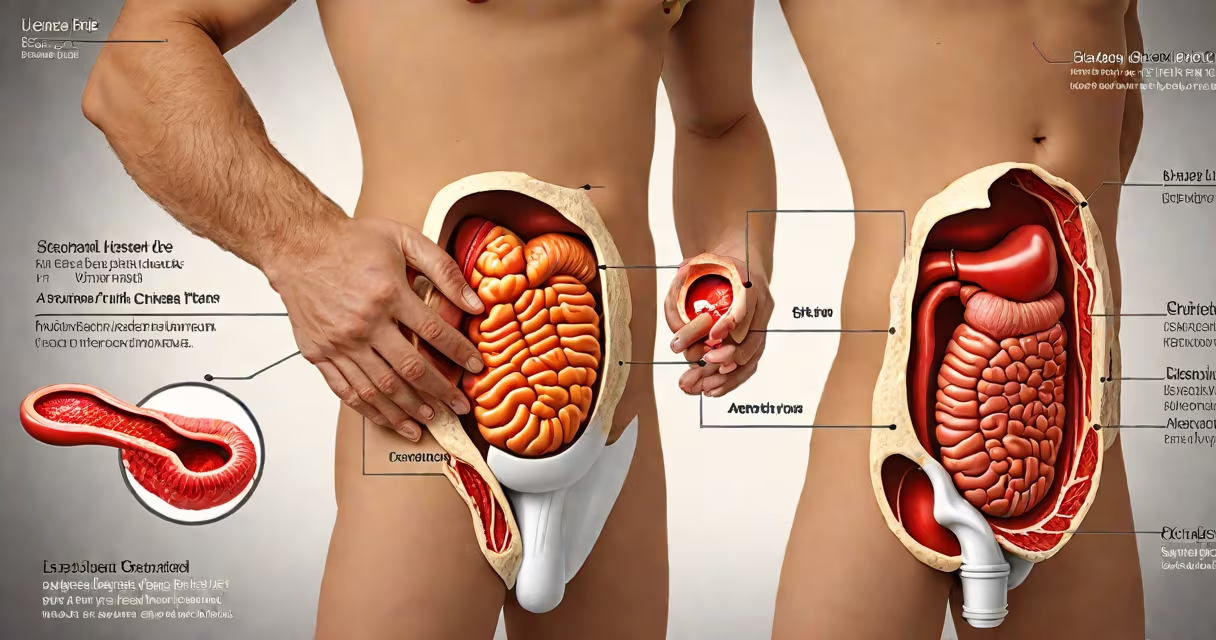
Lower left abdominal pain accompanied by blood in stool often signals a problem in the descending colon or rectum. This combination of symptoms warrants prompt medical evaluation, as it may indicate conditions ranging -threatening.
The lower left abdomen houses portions of the large intestine, including the descending colon and sigmoid colon. Pain in this area typically suggests irritation or obstruction in these regions. When combined with rectal bleeding, it often points to issues affecting the lining of the colon or rectum.
The most common causes of lower left abdominal pain with blood in stool include:
Seek immediate medical attention if you experience any of the following alongside lower left abdominal pain and blood in stool:
While minor cases might resolve on their own, persistent symptoms require professional evaluation. A doctor will likely perform a physical exam, review your medical history, and order diagnostic tests such as a colonoscopy or CT scan.
Last year, I experienced mild lower left abdominal pain with occasional blood in my stool. Initially, I dismissed it as a minor issue, but after a week of persistent symptoms, I visited a doctor. Diagnostic tests revealed diverticulitis, which required antibiotics and dietary changes. Early intervention prevented complications, reinforcing the importance of seeking medical advice promptly.
To reduce the risk of conditions causing lower left abdominal pain with blood in stool, maintain a high-fiber diet, stay hydrated, and engage in regular physical activity. Avoiding excessive strain during bowel movements can also prevent anal fissures and hemorrhoids. Regular screenings, such as colonoscopies, are recommended for individuals over 45 or those with a family history of colorectal cancer.