The Macquarie Infrastructure Fund is an investment vehicle managed by Macquarie Group that acquires and operates essential infrastructure assets worldwide, generating revenue through long-term leases and user fees.
The fund follows a core investment strategy focused on stable, cash-generating assets. It typically targets infrastructure with strong demand, such as airports, toll roads, and ports. Investors provide capital, and the fund uses it to acquire these assets. Revenue flows back to investors through dividends and capital appreciation.
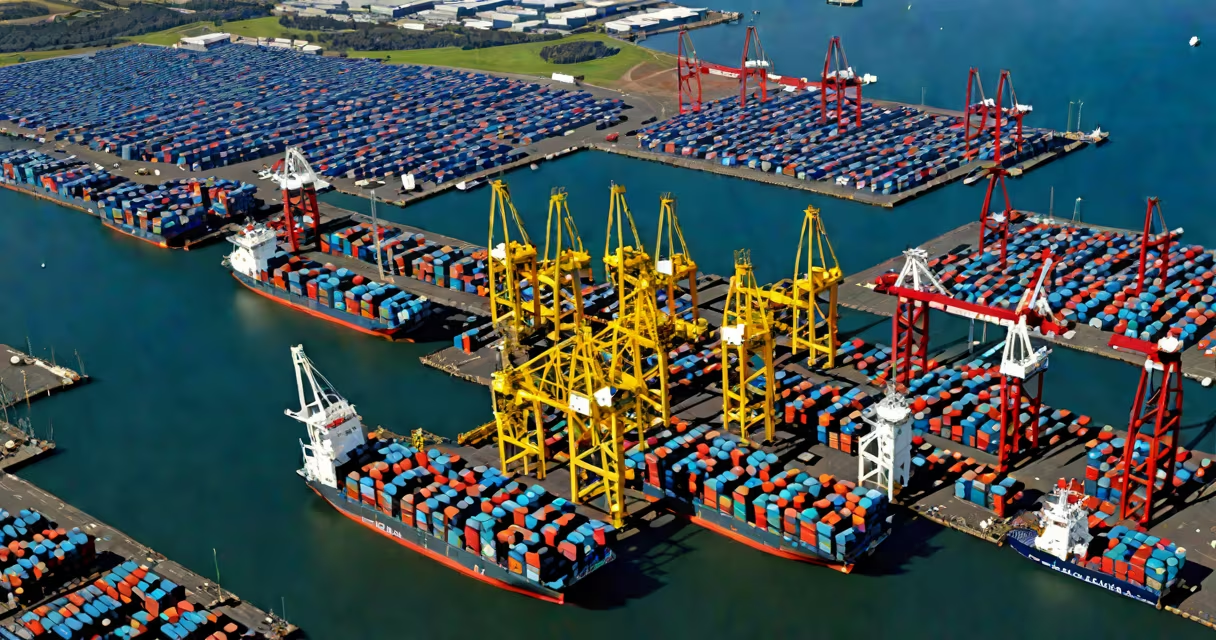
For example, the fund owns a 50% stake in the Port of Brisbane, Australia's third-largest container port. The port generates steady income through docking fees and cargo handling charges, which are passed on to investors.
The fund invests in four primary categories:
| Asset Type | Examples | Revenue Model |
|---|---|---|
| Transportation | Airports, toll roads, ports | User fees, tolls, docking charges |
| Energy | Power plants, gas pipelines | Energy sales, transmission fees |
| Water | Desalination plants, wastewater treatment | Service charges, municipal contracts |
| Communications | Telecom towers, fiber networks | Lease agreements, data transmission fees |
Infrastructure assets are less volatile than stocks or bonds because they provide essential services with predictable demand. The Macquarie Infrastructure Fund offers investors exposure to these assets while mitigating risk through diversification and long-term contracts.
According to Macquarie Group's annual report, the fund has delivered an average annual return of 8-10% since its inception in 2003. This stability attracts institutional investors like pension funds and endowments.
Some investors confuse the Macquarie Infrastructure Fund with private equity or venture capital funds. Unlike those, it doesn't focus on high-growth startups or leveraged buyouts. Instead, it prioritizes low-risk, income-generating assets with long-term contracts.
Another misconception is that infrastructure funds are only for large investors. While the minimum investment is high (often $1 million or more), some funds offer lower-entry options through feeder funds or partnerships.
I visited the Port of Brisbane, one of the fund's key holdings, and observed the steady flow of container ships and cargo operations. The port's management highlighted how long-term leases with major shipping companies ensure consistent revenue, regardless of economic cycles.
This hands-on insight reinforced why infrastructure investments are appealing-they're not about rapid growth but reliable, long-term income.