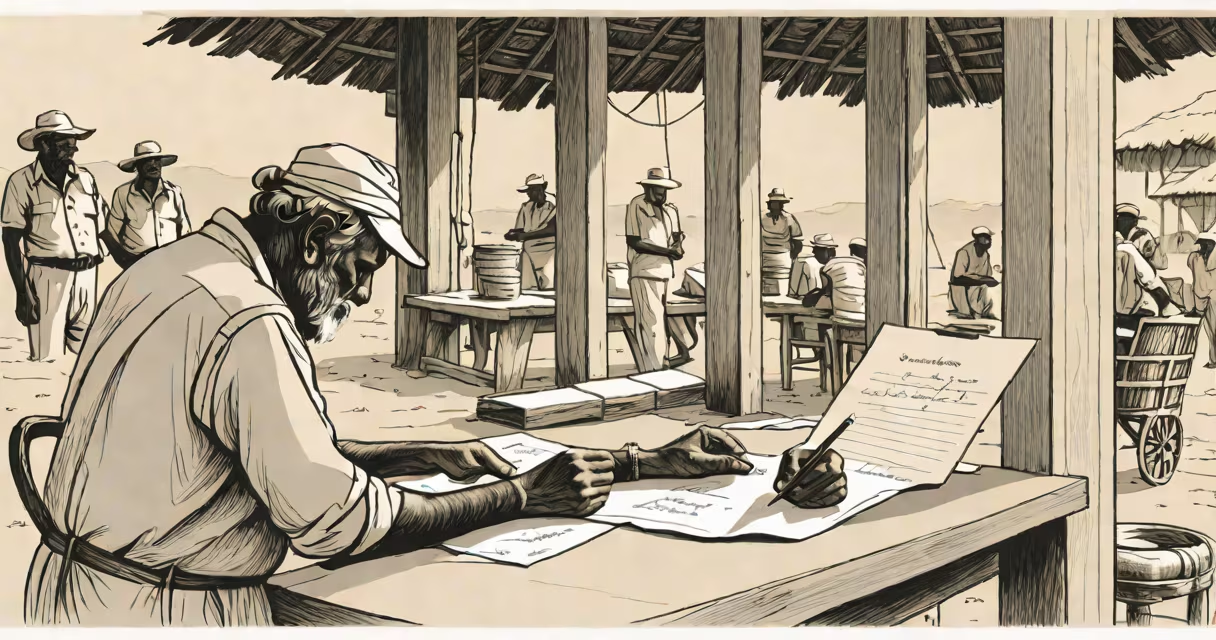
The Maharashtra farmer registry is a centralized database tracking land ownership, crop details, and farmer demographics across the state. It helps the government distribute subsidies, monitor crop health, and plan agricultural policies.
The system collects data through field surveys, satellite imagery, and self-reported updates. Farmers register via government kiosks or online portals, submitting details like land size, crop type, and irrigation methods. The registry updates annually to reflect changes in farming practices or land use.
The registry includes three core datasets:
For example, a cotton farmer in Vidarbha would list their 5-acre plot, monsoon and winter sowing dates, and borewell water source.
The registry ensures efficient delivery of government schemes like crop insurance and fertilizer subsidies. It also helps track drought impacts and disease outbreaks. For instance, during the 2022 heatwave, officials used the data to prioritize relief for affected regions.
Many assume the registry only benefits large farmers. In reality, smallholders with less than 2 hectares make up 80% of entries. Another myth is that registration is mandatory for all farmers-it's voluntary, though required for subsidy access.
I visited a registration center in Nashik district and saw farmers using fingerprint scanners to verify identities. The process took about 20 minutes per applicant.
According to the Maharashtra Agriculture Department, 12% of records contain discrepancies, often due to outdated land surveys or unregistered tenants. The government is piloting drone mapping to improve precision.