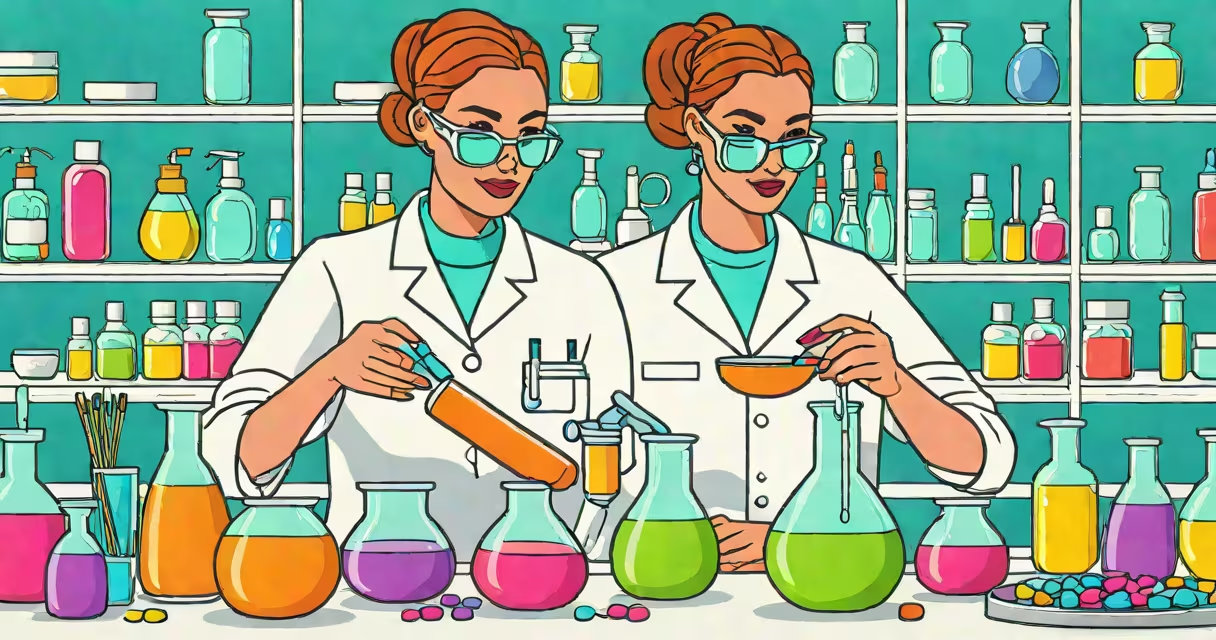
Making cosmetics in 2026 means going through stricter regulations, evolving consumer preferences, and technological advancements. The industry is moving toward cleaner formulations, sustainable practices, and increased transparency.
The cosmetics industry faces tighter regulations globally. The European Union's Cosmetic Regulation continues to set high standards, while other regions implement similar measures. By 2026, companies must comply with stricter ingredient bans, enhanced safety assessments, and detailed labeling requirements.
For example, the U.S. FDA is expected to enforce stricter rules on labeling and ingredient disclosure, aligning with global trends. Companies like L'Oréal and Estée Lauder are already preparing for these changes by reformulating products and improving supply chain transparency.
| Type | Key Features | Market Demand |
|---|---|---|
| Skincare | Focus on anti-aging, hydration, and sensitive skin solutions | High demand due to aging populations and increasing skin awareness |
| Makeup | Long-wearing, transfer-proof, and inclusive shades | Steady demand with a shift towards multifunctional products |
| Haircare | Sulfate-free, color-safe, and scalp-focused treatments | Growing demand driven by hair health trends |
| Fragrances | Customizable scents and sustainable sourcing | Moderate growth with niche market opportunities |
By 2026, sustainability will be a core focus in making cosmetics. Consumers increasingly prefer brands that use eco-friendly packaging, ethically sourced ingredients, and cruelty-free practices. Companies like Aveda and Burt's Bees have already made significant strides in this area.
Sustainable packaging innovations, such as biodegradable materials and refillable containers, will become standard., waterless formulations and reduced carbon footprints will be key differentiators in the market.
Technology is important for modern cosmetic manufacturing. AI-driven formulation development, 3D printing for custom packaging, and blockchain for supply chain transparency are becoming more common. These technologies help companies simplify production, reduce costs, and ensure product safety.
For instance, Procter & Gamble uses AI to improve product formulations, while L'Oréal employs blockchain to track ingredient sourcing and ensure ethical practices.
One common misconception is that natural cosmetics are always safer or more effective. While natural ingredients can be beneficial, they are not inherently superior to synthetic ones. Synthetic ingredients often undergo rigorous testing to ensure safety and efficacy, whereas natural ingredients may contain allergens or irritants.
Another myth is that luxury cosmetics are always higher quality. Price does not always correlate with performance. Many affordable brands offer high-quality products by focusing on key active ingredients and efficient formulations.
As someone who has worked in the cosmetics industry, I've seen firsthand how quickly trends and regulations can change. Staying informed and adaptable is important for success in this changing field.
For insights into another evolving industry, see how automotive design is changing by 2026.