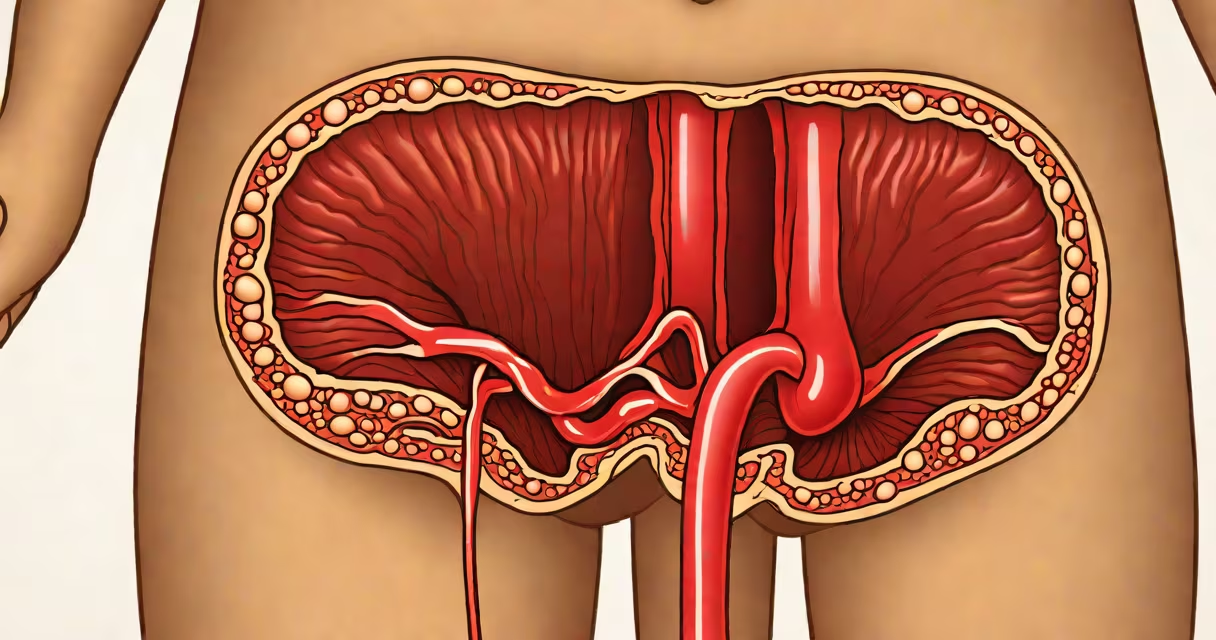
Male anus bleeding refers to any blood coming from the anus or rectum, often noticed in the toilet bowl, on toilet paper, or mixed with stool. This symptom can range and may indicate various conditions.
Bleeding from the anus typically happens due to irritation, inflammation, or injury to the tissues in the anal or rectal area. The blood vessels in this region are delicate and can rupture easily, leading to visible bleeding. The location of the bleeding source-whether internal or external-can help determine its cause.
Anal bleeding can be classified based on its appearance and location:
| Type | Appearance | Common Causes |
|---|---|---|
| Bright red blood | Fresh, vivid red | Hemorrhoids, anal fissures, or minor anal trauma |
| Dark red or maroon blood | Darker, sometimes clotted | Diverticulosis, angiodysplasia, or bleeding higher in the colon |
| Black, tarry stool (melena) | Sticky, dark, foul-smelling | Upper gastrointestinal bleeding, such as peptic ulcers or gastritis |
Several conditions can lead to bleeding from the anus. Some of the most frequent causes include:
Other potential causes include infections, polyps, or anal trauma from activities like anal sex or insertion of foreign objects.
While minor bleeding may resolve on its own, persistent or heavy bleeding should be evaluated by a healthcare professional. Seek medical attention if you experience any of the following:
Last year, I experienced a brief episode of bright red blood on toilet paper after a particularly strenuous workout. Concerned, I scheduled an appointment with my doctor, who diagnosed me with a minor anal fissure likely caused by dehydration and straining. After increasing my water intake and using over-the-counter treatments, the issue resolved within a week. This experience reinforced the importance of staying hydrated and recognizing when symptoms warrant medical attention.
To reduce the risk of anal bleeding, maintain a high-fiber diet to prevent constipation, stay hydrated, and avoid excessive straining during bowel movements. Gentle cleansing with warm water and mild soap can also help prevent irritation. If you engage in anal sex, use plenty of lubrication and avoid rough play to minimize the risk of injury.