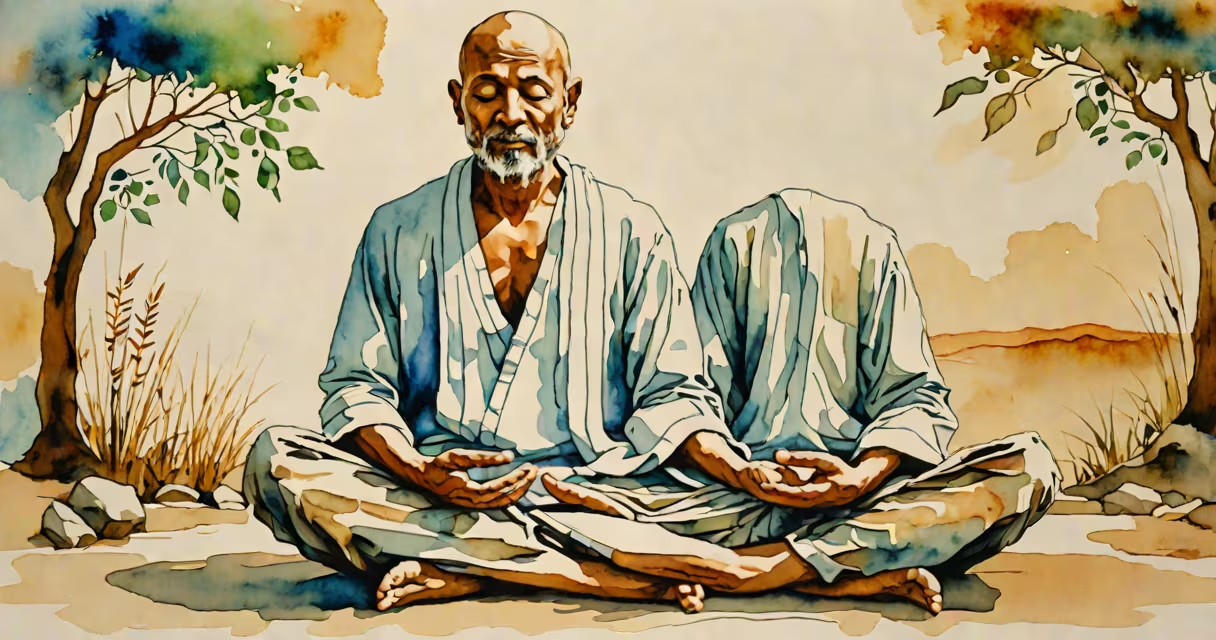
Meditation for peace and happiness is a practice of focused awareness and breathing exercises designed to reduce stress and improve emotional well-being. It involves training the mind to achieve a state of calm and clarity, often through techniques like mindfulness, loving-kindness, and body scan meditations.
Meditation works by activating the parasympathetic nervous system, which counteracts the body's stress response. Regular practice can lower cortisol levels, the hormone associated with stress, and increase the production of serotonin and dopamine, neurotransmitters linked to happiness and well-being. Studies from Harvard Medical School show that meditation can physically change the brain, increasing gray matter density in areas related to learning, memory, emotion regulation, and empathy.
There are several types of meditation, each with unique benefits:
| Type | Description | Key Benefit |
|---|---|---|
| Mindfulness Meditation | Focuses on being aware of the present moment without judgment. | Reduces stress and anxiety. |
| Loving-Kindness Meditation | Involves directing well-wishes and kindness toward oneself and others. | Enhances feelings of compassion and connection. |
| Body Scan Meditation | Involves mentally scanning the body to get in touch with individual body parts. | Promotes relaxation and body awareness. |
| Breath Awareness Meditation | Focuses on the breath to anchor attention in the present moment. | Improves concentration and reduces stress. |
Meditation for peace and happiness is practiced worldwide in various settings, including homes, workplaces, schools, and healthcare facilities. It is used to manage stress, improve mental health, improve focus, and cultivate a sense of inner peace. The practice is particularly effective in reducing symptoms of anxiety and depression, as noted by the American Psychological Association.
Many people believe that meditation requires complete silence and stillness. However, meditation can be practiced anywhere, even in noisy environments, by focusing on the breath or a mantra. Another misconception is that meditation is a religious practice. While it has roots in various spiritual traditions, secular forms of meditation are widely practiced for their mental and physical health benefits.
When I first tried meditation, I expected immediate results. Instead, I discovered that consistency was key. Over time, regular practice helped me manage daily stressors more effectively and increased my sense of well-being.
Meditation for peace and happiness is a useful tool for improving mental and emotional health. By incorporating regular meditation into your routine, you can experience reduced stress, enhanced well-being, and a greater sense of inner calm.