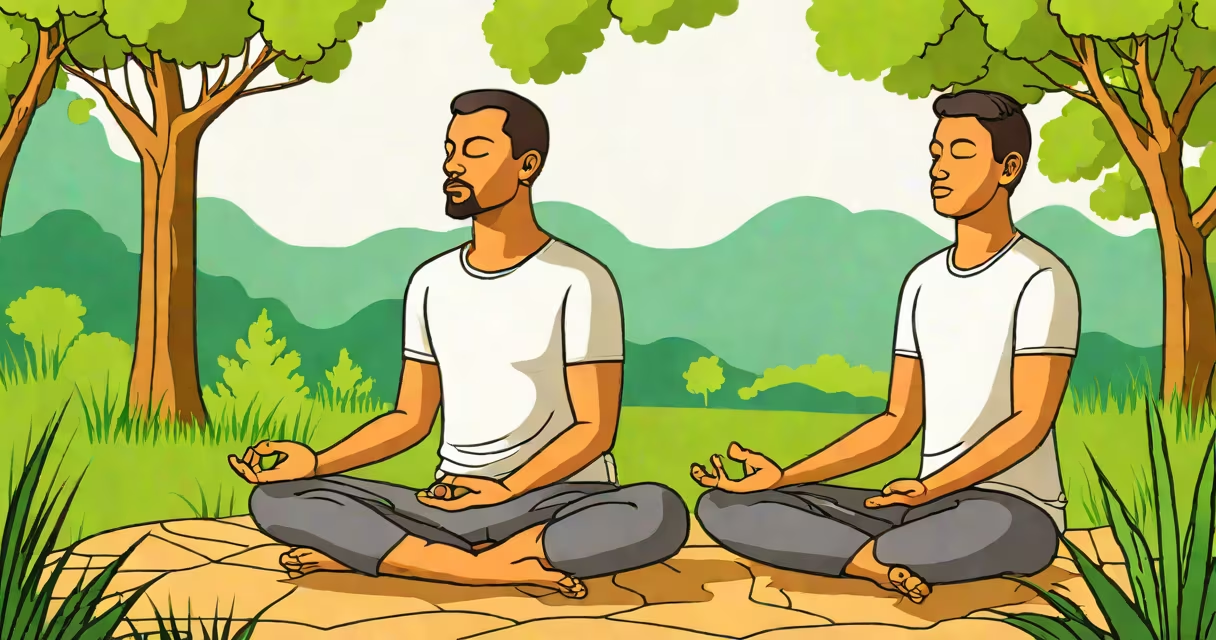
Meditation for relaxation and anxiety is a mindfulness practice that uses focused attention to calm the mind, reduce stress, and alleviate symptoms of anxiety. It involves techniques like deep breathing, guided imagery, and progressive muscle relaxation.
Meditation activates the parasympathetic nervous system, which lowers heart rate and blood pressure. It reduces the production of stress hormones like cortisol and adrenaline. Regular practice can rewire the brain to respond more calmly to stressors.
Several meditation styles are particularly effective for anxiety relief:
Meditation for relaxation and anxiety is used in various settings, including:
According to the American Psychological Association, meditation can reduce symptoms of generalized anxiety disorder, panic attacks, and social anxiety.
Many people believe meditation requires complete silence or long periods of time. However, even short sessions of 5-10 minutes can be effective. Another myth is that meditation clears the mind entirely, but the goal is to observe thoughts without getting caught up in them.
I've seen firsthand how effective meditation can be. A friend who struggled with chronic anxiety started practicing mindfulness meditation for just 10 minutes a day. Within a few weeks, she noticed a significant reduction in her anxiety levels and felt more grounded throughout the day.
To begin, find a quiet place and sit comfortably. Focus on your breath, counting each inhale and exhale. When your mind wanders, gently bring your focus back to your breath. Apps like Headspace and Calm offer guided sessions for beginners.
Meditation for relaxation and anxiety is a useful tool for managing stress and improving mental health. By incorporating regular practice into your routine, you can experience significant benefits in reducing anxiety and enhancing well-being.