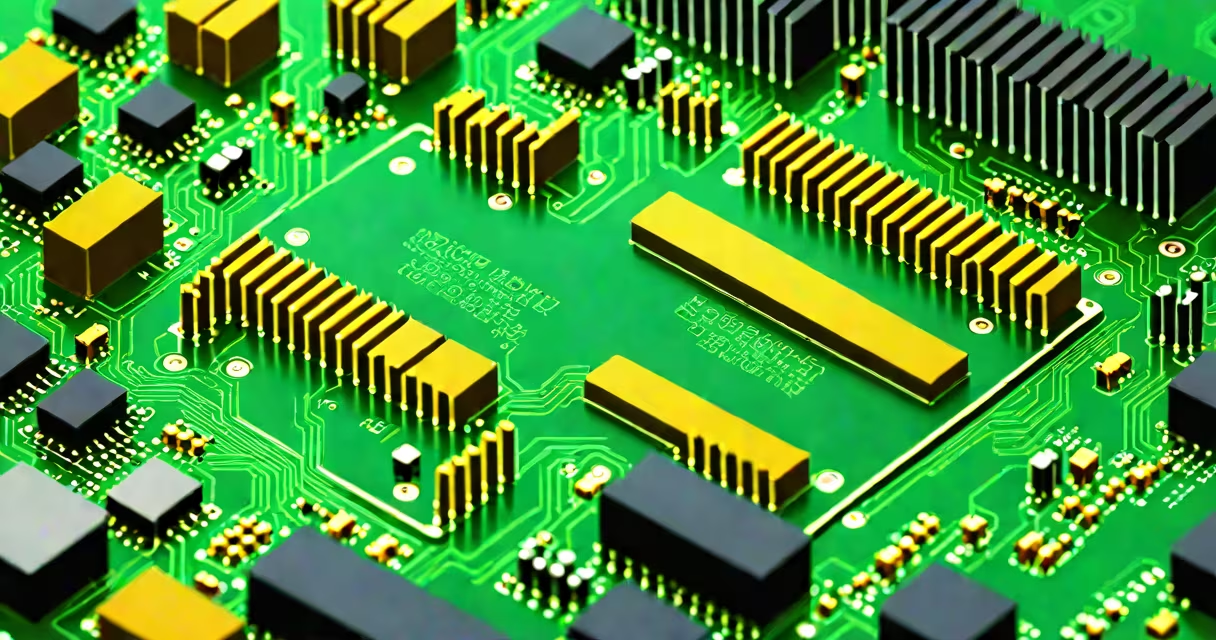
Memory RAM (Random Access Memory) is the high-speed temporary storage your computer uses to hold data actively being used or processed. Unlike permanent storage like hard drives, RAM is volatile, meaning it loses all data when power is turned off.
RAM stores data in cells made of transistors and capacitors. When the CPU needs data, it accesses RAM directly rather than slower storage devices. This direct access makes RAM much faster than other storage types, though it's more expensive per gigabyte.
When you open applications or files, they're loaded from your storage drive into RAM. The more RAM you have, the more data can be loaded simultaneously, allowing for smoother multitasking and faster processing.
RAM comes in several types, each with different speeds and capabilities:
RAM speed, measured in megahertz (MHz), determines how quickly data can be read from or written to the module. Higher speeds improve performance, especially in demanding tasks like video editing or gaming.
Many people confuse RAM with storage drives, thinking more RAM means more storage space. In reality, RAM and storage serve different purposes. RAM temporarily holds data the CPU is actively using, while storage drives hold data permanently, even when powered off.
Another misconception is that more RAM always equals better performance. While having enough RAM is important, adding RAM beyond what your system needs won't improve performance. For example, a basic word processor might only need 2-4 GB of RAM, while a high-end gaming PC might need 16 GB or more.
Imagine you're editing a video. The video file is stored on your hard drive, but as you edit, parts of the file are loaded into RAM for quick access. If you don't have enough RAM, your computer will constantly swap data between RAM and the slower hard drive, causing lag and slowdowns. Upgrading to more RAM allows more of the video file to be loaded at once, resulting in smoother playback and faster editing.
I once upgraded a older laptop from 4 GB to 16 GB of RAM. The difference was dramatic-applications launched faster, multitasking became smooth, and even resource-heavy software like Adobe Premiere ran much more smoothly.