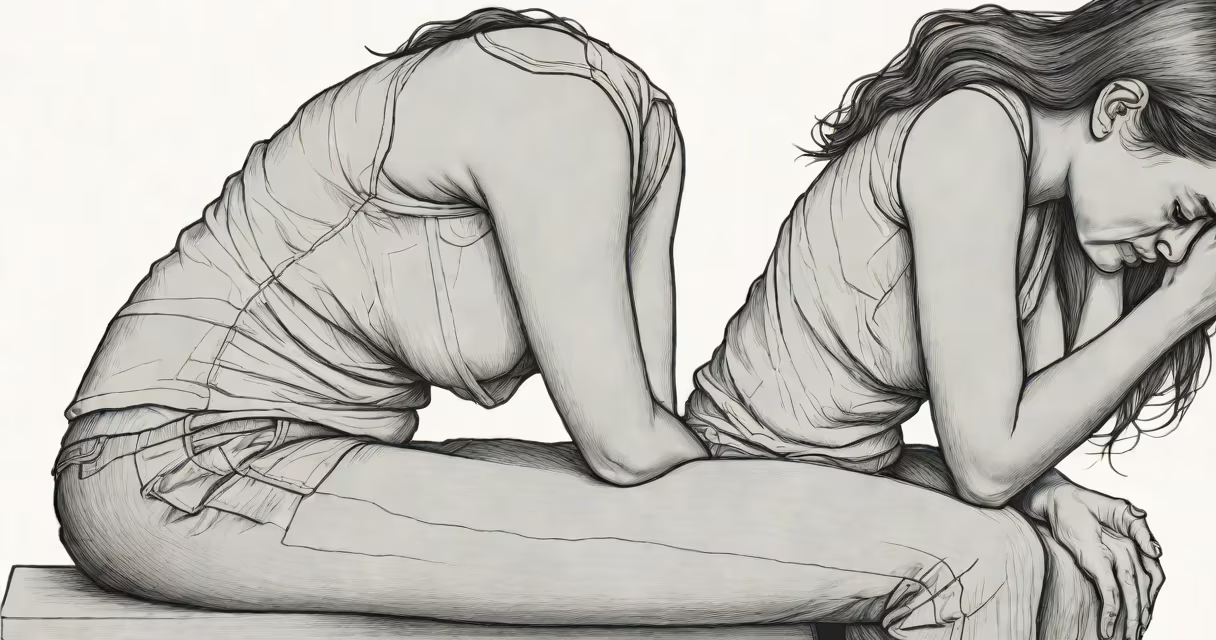
Menstrual pain and vomiting refer to severe period symptoms where abdominal cramping is accompanied by nausea or vomiting. This combination typically occurs in cases of primary dysmenorrhea (common menstrual cramps) or secondary dysmenorrhea (cramps caused by underlying conditions).
Menstrual cramps happen when the uterus contracts to shed its lining. These contractions reduce blood flow to the uterus, releasing chemicals that trigger pain. In some cases, the pain and inflammation can stimulate the vagus nerve, which connects to the digestive system and can cause nausea or vomiting.
There are two primary types of menstrual pain:
| Type | Cause | Common Symptoms |
|---|---|---|
| Primary Dysmenorrhea | Normal uterine contractions | Cramps, nausea, mild vomiting |
| Secondary Dysmenorrhea | Underlying conditions (endometriosis, fibroids, etc.) | Severe cramps, heavy bleeding, intense nausea/vomiting |
Menstrual pain and vomiting most commonly occur during the first few days of a period. The pain typically originates in the lower abdomen but can radiate to the lower back or thighs. Vomiting may accompany severe cramping due to the body's heightened pain response.
A study published in the Journal of Pain Research found that about 10% of women experience severe menstrual pain with nausea or vomiting. While mild symptoms are common, persistent or worsening symptoms may indicate an underlying condition.
Many people confuse menstrual pain and vomiting with general stomach flu or food poisoning. However, menstrual-related nausea and vomiting are cyclical and tied to the menstrual cycle, whereas stomach flu symptoms are random and often accompanied by diarrhea.
Another misconception is that menstrual pain and vomiting are always normal. While mild symptoms are common, severe or persistent symptoms may indicate conditions like endometriosis or uterine fibroids, which require medical attention.
For mild symptoms, over-the-counter pain relievers like ibuprofen or naproxen can help. Applying heat to the abdomen, gentle exercise, and hydration also reduce symptoms. For severe cases, prescription medications or hormonal birth control may be necessary.
I once managed my menstrual pain and vomiting by combining ibuprofen with a heating pad and light yoga. The combination reduced my discomfort within an hour.
Seek medical attention if menstrual pain and vomiting are severe, persistent, or accompanied by other symptoms like fever, diarrhea, or fainting. These could indicate conditions like pelvic inflammatory disease or kidney issues.
Regular exercise, a balanced diet, and adequate sleep can help prevent severe menstrual symptoms. Some women find relief by reducing caffeine and salt intake before their periods.