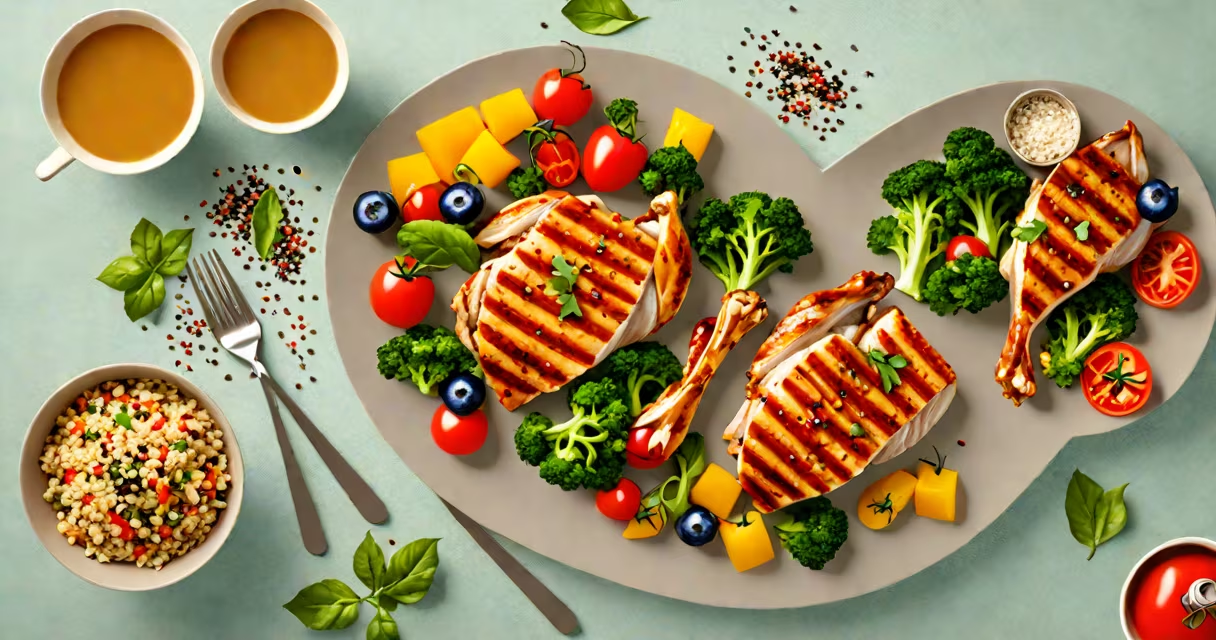
A "menu for a week to lose weight" is a structured seven-day eating plan designed to create a calorie deficit while providing balanced nutrition. It typically includes three meals plus snacks, with portions calculated to support gradual, sustainable fat loss.
Most plans focus on high-protein, high-fiber foods that promote satiety. For example, a breakfast might include Greek yogurt with berries and chia seeds, while lunch could feature grilled chicken with quinoa and steamed broccoli. Dinner often consists of lean protein with non-starchy vegetables and a small portion of complex carbohydrates.
| Type | Key Features | Example Foods |
|---|---|---|
| Balanced macronutrient | 40% carbs, 30% protein, 30% fat | Grilled salmon, brown rice, asparagus |
| Low-carb | Less than 50g net carbs daily | Avocado, eggs, leafy greens |
| Plant-based | Vegan or vegetarian proteins | Lentils, tofu, quinoa |
| Intermittent fasting | Time-restricted eating windows | Same foods as above, but eaten within 8-hour window |
People use these menus for various reasons, including preparing for medical procedures, improving athletic performance, or simply adopting healthier habits. Many find structured plans helpful for overcoming decision fatigue around food choices.
One common misconception is that these menus require expensive ingredients or complicated recipes. In reality, most successful weight loss plans focus on simple, affordable foods. For example, a typical day might include:
Another mistake is focusing solely on calorie counting without considering food quality. While calorie balance is important, the types of foods consumed also impact satiety, metabolism, and health. For instance, 200 calories of vegetables will satisfy hunger much more than 200 calories of candy.
Here's a sample day from a balanced macronutrient plan:
Monday:
Breakfast: Scrambled eggs with spinach (300 cal)
Snack: Greek yogurt with blueberries (150 cal)
Lunch: Grilled chicken salad with mixed greens, cherry tomatoes, cucumber, and balsamic vinaigrette (400 cal)
Snack: Handful of almonds (160 cal)
Dinner: Baked salmon with quinoa and steamed broccoli (500 cal)
Total: 1,510 calories
Macros: 40% carbs, 30% protein, 30% fat
This plan provides variety while keeping calories in check. The combination of protein, fiber, and healthy fats helps control hunger between meals. Most people find they feel more energetic and focused when following such a structured approach.
When I first tried a weekly weight loss menu, I was surprised by how much easier meal planning became. I spent one afternoon prepping meals for the entire week, which saved time during busy days. The structured approach also helped me avoid impulsive snacking. After four weeks, I noticed improved digestion and more stable energy levels throughout the day.
A well-designed menu for a week to lose weight can be an effective tool for achieving healthy, sustainable fat loss. By focusing on balanced nutrition and portion control, these plans help people develop better eating habits while seeing gradual, steady results.