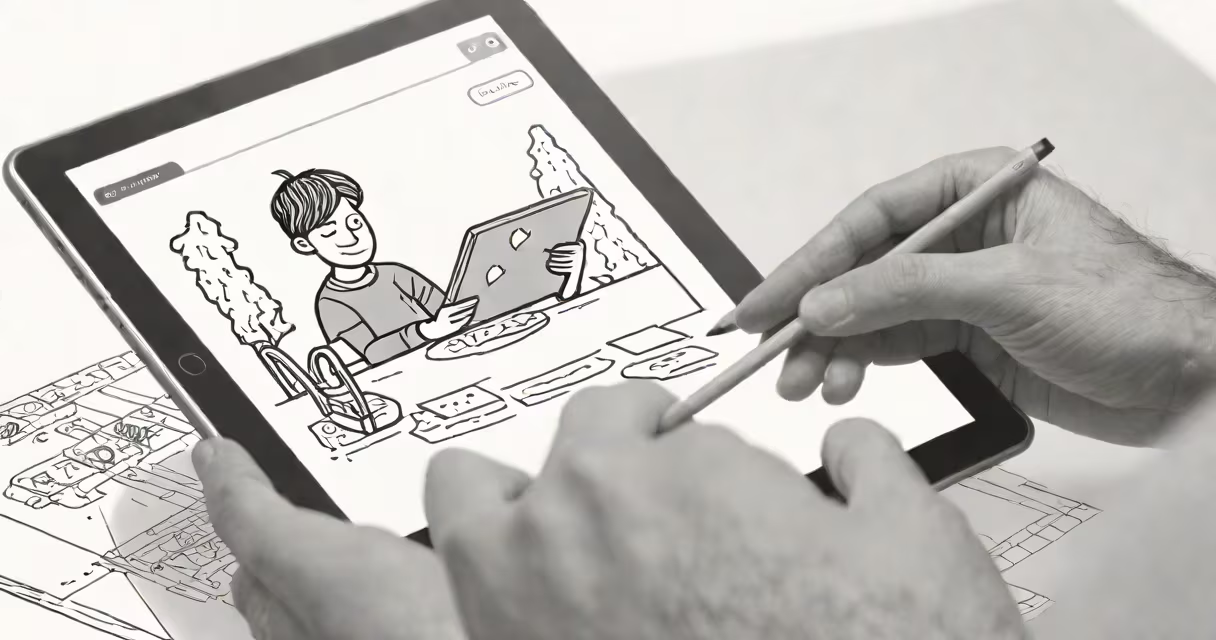
Mental health games are interactive applications designed to improve emotional well-being through structured play. These games often incorporate elements of cognitive behavioral therapy (CBT), mindfulness, and other evidence-based techniques to help users manage stress, anxiety, and depression.
These games typically involve activities that encourage users to engage with their emotions, thoughts, and behaviors in a controlled environment. For example, a game might ask users to identify and categorize their emotions, or it might guide them through a series of relaxation exercises. The goal is to provide users with practical tools they can use to manage their mental health in daily life.
Mental health games come in various forms, each targeting different aspects of mental well-being. Here are some common types:
Mental health games are used in various settings, including schools, workplaces, and healthcare facilities. They are often employed as part of a broader mental health strategy, complementing traditional therapies like counseling and medication. For example, a school might use mental health games to help students manage exam-related stress, while a workplace might use them to promote employee well-being.
A study published in the Journal of Medical Internet Research found that mental health games can reduce symptoms of anxiety and depression. The games provide a low-pressure way for users to practice coping skills and gain a better understanding of their mental health.
One common misconception is that mental health games are a replacement for professional treatment. While these games can be beneficial, they are not a substitute for therapy or medication. Instead, they should be seen as a supplementary tool. Another misconception is that these games are only for children. In reality, mental health games are designed for all age groups and can be particularly useful for adults dealing with stress and anxiety.
For instance, the game "SuperBetter" helps users build resilience and cope with challenges. It guides users through a series of tasks that promote positive thinking and problem-solving skills. This game has been used by individuals recovering from various mental health conditions, including depression and PTSD.
I recently tried a mental health game called "Headspace," which focuses on mindfulness and meditation. The game guided me through a series of breathing exercises and visualizations. After a few sessions, I noticed a significant reduction in my stress levels. The structured approach of the game made it easy to incorporate mindfulness into my daily routine.
Mental health games are a valuable tool for improving emotional well-being. They offer a fun and engaging way to practice coping skills and gain a better understanding of one's mental health. Whether used in a clinical setting or as part of a personal wellness routine, these games can make a meaningful difference in how we manage our mental health.