The Ministerio de Energía is Chile's government agency responsible for developing and implementing energy policies, promoting sustainable energy solutions, and ensuring reliable energy supply. It plays a key role in Chile's transition to renewable energy sources.
The ministry operates under the Chilean government, working with other agencies, private companies, and international organizations to create energy strategies. It focuses on increasing renewable energy use, improving energy efficiency, and reducing greenhouse gas emissions. The ministry also regulates energy markets, ensuring fair competition and consumer protection.
The Ministerio de Energía manages several key areas:
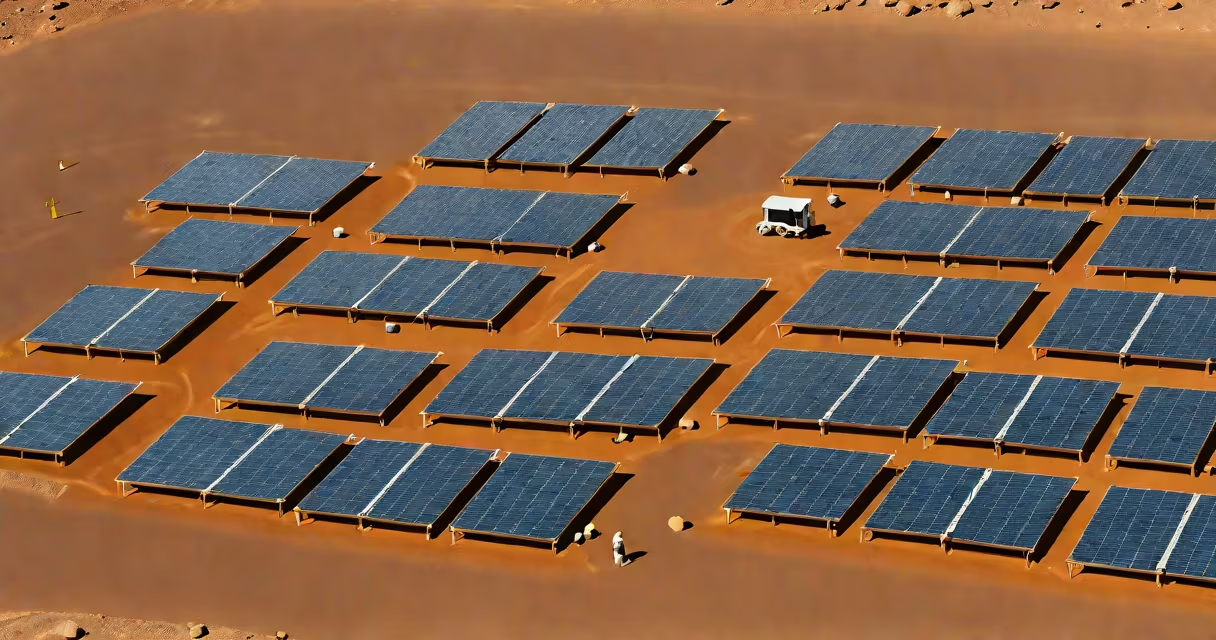
The ministry's work impacts all sectors of Chilean society. For example, it supports the development of large-scale solar farms in the Atacama Desert, one of the sunniest places on Earth. These projects provide clean energy to millions of people while reducing Chile's carbon footprint. The ministry also collaborates with international partners to share best practices and secure funding for energy projects.
The ministry's efforts are important for Chile's economic growth and environmental sustainability. By investing in renewable energy, the country reduces its reliance on imported fossil fuels, creating jobs and lowering energy costs for consumers. The ministry's policies also help Chile meet its commitments under the Paris Agreement, aiming to cut greenhouse gas emissions by 45% by 2030.
Some people confuse the Ministerio de Energía with other government agencies, such as the Ministerio de Minería (Ministry of Mining). While both ministries work closely together, they have distinct roles. The energy ministry focuses on energy production, distribution, and consumption, while the mining ministry oversees the extraction and processing of mineral resources.
Another misconception is that the ministry only deals with large-scale energy projects. In reality, it also supports small-scale initiatives, such as community solar projects and energy-efficiency programs for low-income households. These efforts ensure that all Chileans benefit from the country's energy transition.
In 2021, the Ministerio de Energía launched the "Energía para la Vida" program, which aims to increase the use of renewable energy in rural areas. The program provides funding for solar panel installations in remote communities, reducing their dependence on diesel generators. By 2023, the program had installed solar systems in over 500 homes, improving energy access and reducing pollution. This initiative demonstrates the ministry's commitment to sustainable energy solutions that benefit all Chileans.
I visited one of these communities in northern Chile, where residents shared how the solar panels had transformed their lives. Before the installation, they relied on expensive and polluting diesel generators. Now, they have reliable, clean energy that powers their homes and supports local businesses. This firsthand experience highlights the real impact of the ministry's work.
The Ministerio de Energía plays a important role in shaping Chile's energy future. Through new policies and collaborations, it promotes renewable energy, improves energy efficiency, and ensures a reliable energy supply for all Chileans. As the country continues its transition to clean energy, the ministry's work will remain essential for economic growth and environmental sustainability.