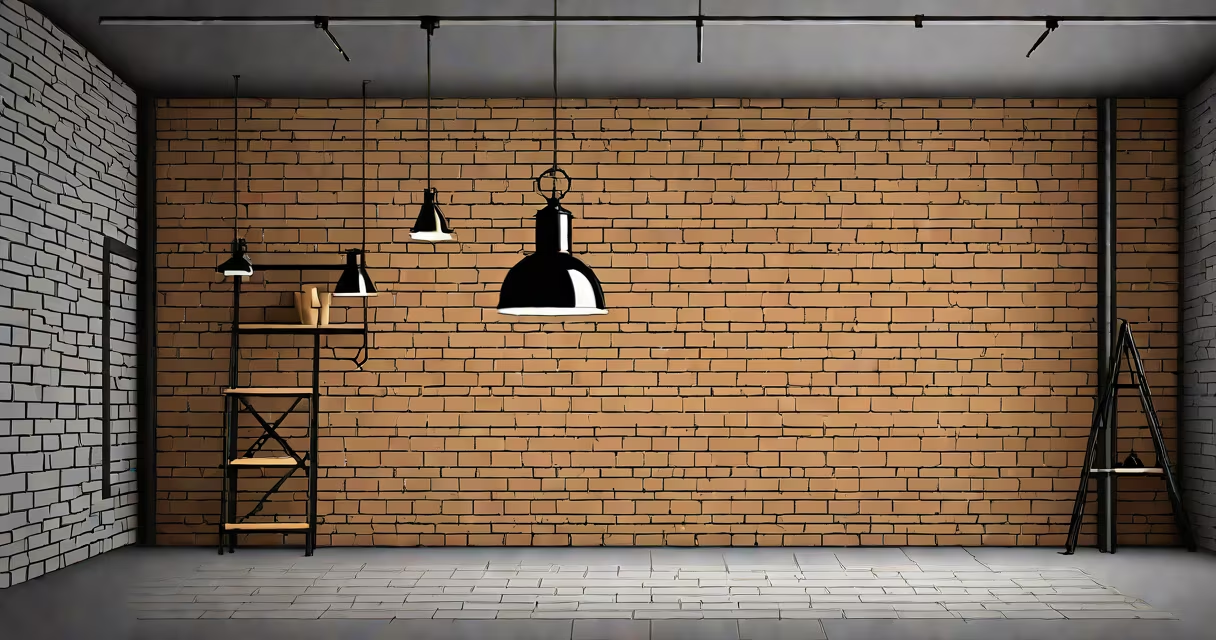
Minimalist industrial interior design combines raw, unfinished materials with sleek, modern aesthetics to create functional spaces with an urban edge. This style emphasizes simplicity, functionality, and exposed structural elements.
Minimalist industrial design strips away excess ornamentation, focusing instead on the beauty of raw materials like wood, metal, and concrete. The style often incorporates open floor plans, high ceilings, and large windows to maximize natural light. Furniture and decor are chosen for their utility and durability, often featuring clean lines and neutral colors.
The sign of this style is the use of raw, unpolished materials. Common elements include:
This design style originated in converted industrial buildings, such as factories and warehouses, but has since spread to residential homes, offices, and retail spaces. It appeals to those who appreciate a blend of ruggedness and sophistication, creating environments that feel both lived-in and stylish.
For example, a loft apartment in New York City might feature exposed ductwork, metal light fixtures, and reclaimed wood furniture. The design creates a sense of openness and simplicity, making the space feel larger and more inviting.
Many people confuse minimalist industrial design with just being "plain" or "unfinished." However, this style is carefully curated to balance raw materials with modern aesthetics. It's not about leaving a space half-finished; it's about celebrating the beauty of imperfection and functionality.
Another misconception is that industrial design is only suitable for large, open spaces. In reality, this style can be adapted to smaller spaces by using clever storage solutions and multifunctional furniture. For instance, a small apartment might feature a metal-framed sofa bed and a reclaimed wood coffee table to maintain the industrial look while maximizing space.
Imagine a living room with an exposed brick wall as the focal point. A black metal coffee table sits in the center, surrounded by two gray upholstered chairs and a reclaimed wood bookshelf. The ceiling features exposed ductwork, and a single black pendant light hangs above the coffee table. The floor is polished concrete, and a large window lets in plenty of natural light. This room embodies minimalist industrial design by blending raw materials with clean, modern lines.
I once helped a client redesign their living room in this style. We kept the original brick walls and added metal-framed windows to improve the industrial feel. The result was a space that felt both cozy and stylish, with a perfect balance of raw and refined elements.