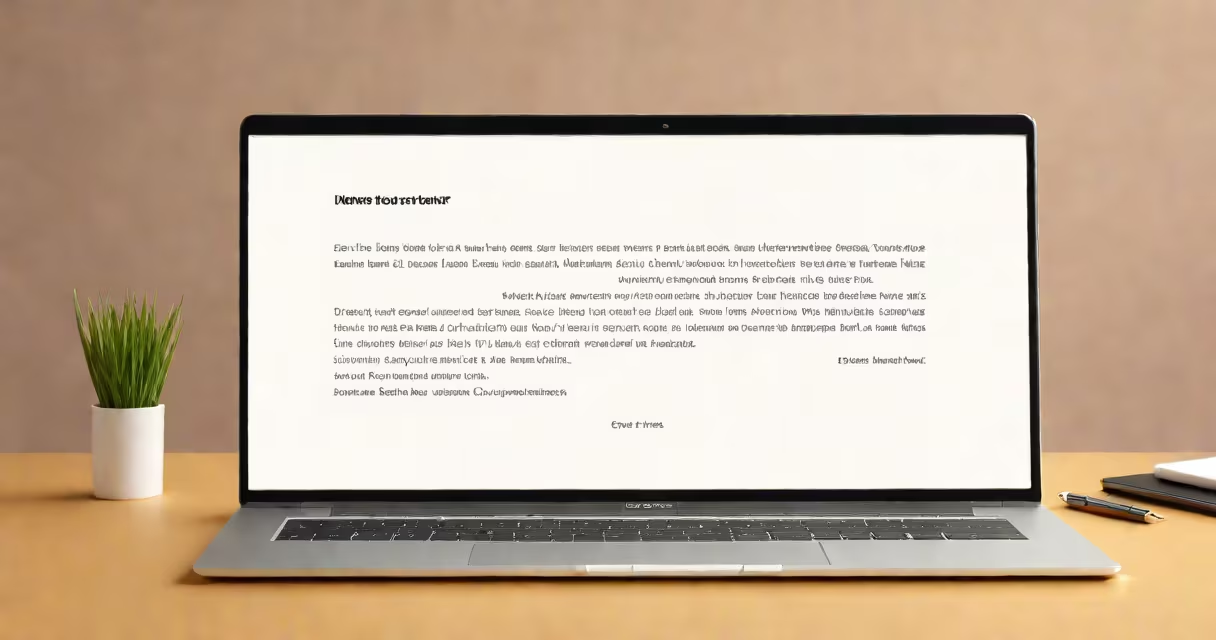
A modern cover letter template is a preformatted document that guides you through writing a professional job application letter using current best practices. These templates typically include sections for contact information, a salutation, an introduction, body paragraphs, and a closing.
Traditional cover letters often followed rigid formats with excessive formality. Modern templates emphasize conciseness, personalization, and alignment with current hiring practices. For example, they might suggest omitting outdated phrases like "To Whom It May Concern" in favor of specific recipient names when possible.
According to a 2023 study by The Ladders, recruiters spend an average of 7.4 seconds scanning each cover letter. Modern templates account for this by prioritizing clear section headers and bullet points for key qualifications.
| Section | Modern Approach | Word Count |
|---|---|---|
| Header | Minimal design with name, date, and company information | N/A |
| Salutation | "Dear [Name]" when possible, otherwise "Dear Hiring Manager" | 5-10 |
| Introduction | Brief statement of interest and relevant skills | 30-50 |
| Body | 2-3 paragraphs about qualifications and achievements | 150-250 |
| Closing | "Best regards" with contact information | 10-20 |
Use a modern cover letter template whenever applying for positions where a cover letter is requested or expected. A well-structured template helps you:
One frequent error is creating a generic cover letter that doesn't address the specific job or company. Modern templates help prevent this by including prompts for customization. Another mistake is making the letter too long - ideal length is about half a page.
Even with a template, personalization is important. Always modify these elements:
Modern cover letter templates provide a valuable structure while allowing flexibility to show your unique qualifications. By using these structured documents, you can create professional, effective job application materials efficiently.